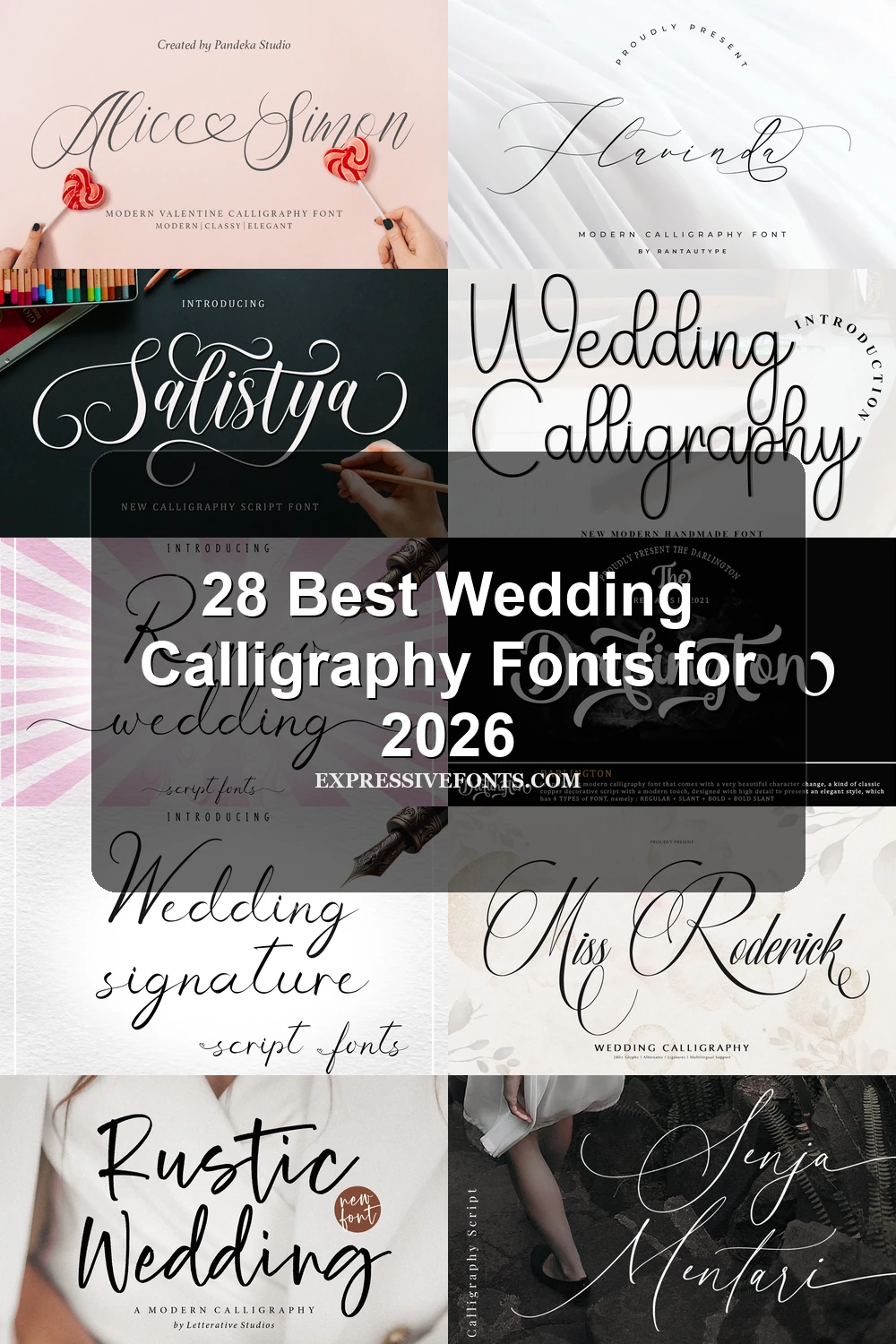
28 Best Wedding Calligraphy Fonts for 2026
This collection spans sharply contrasted pen strokes, monoline connections, irregular baselines, sweeping swashes, and unusual decorative details. These Wedding Calligraphy Fonts are suited to invitation names, stationery headings, logos, quotes, social graphics, and other short wedding-focused display work.
Looking for more calligraphy fonts? Browse our complete Calligraphy Fonts collection to compare modern, elegant, bold, wedding, and logo-friendly calligraphy styles.
Wedding Calligraphy Fonts For Formal Flourishes
Wedding Calligraphy Fonts For Formal Flourishes emphasize rightward slants, thick-thin contrast, looping terminals, and extended swashes, making them more ceremonial and display-led than the lighter or irregular groups.
Romeo Wedding Font
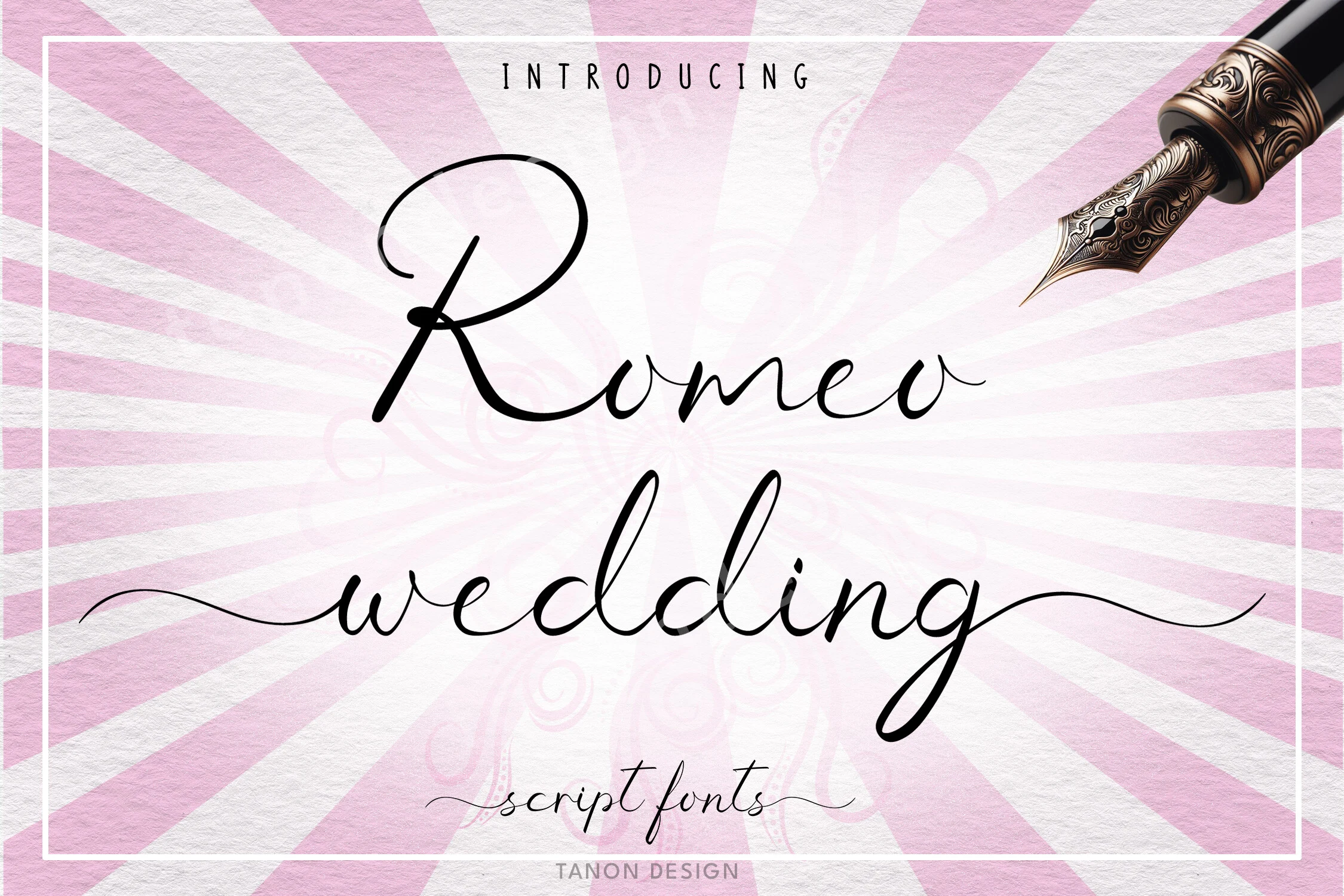
Best For: invitations, wedding designs, handmade designs, quotes
Romeo Wedding Font combines stable right-leaning connections with strong thick-thin contrast and elongated tails. Those tails can cloud very small text, so it works more reliably for invitation headings, short quotes, and other decorative wedding lettering.
Salistya Font
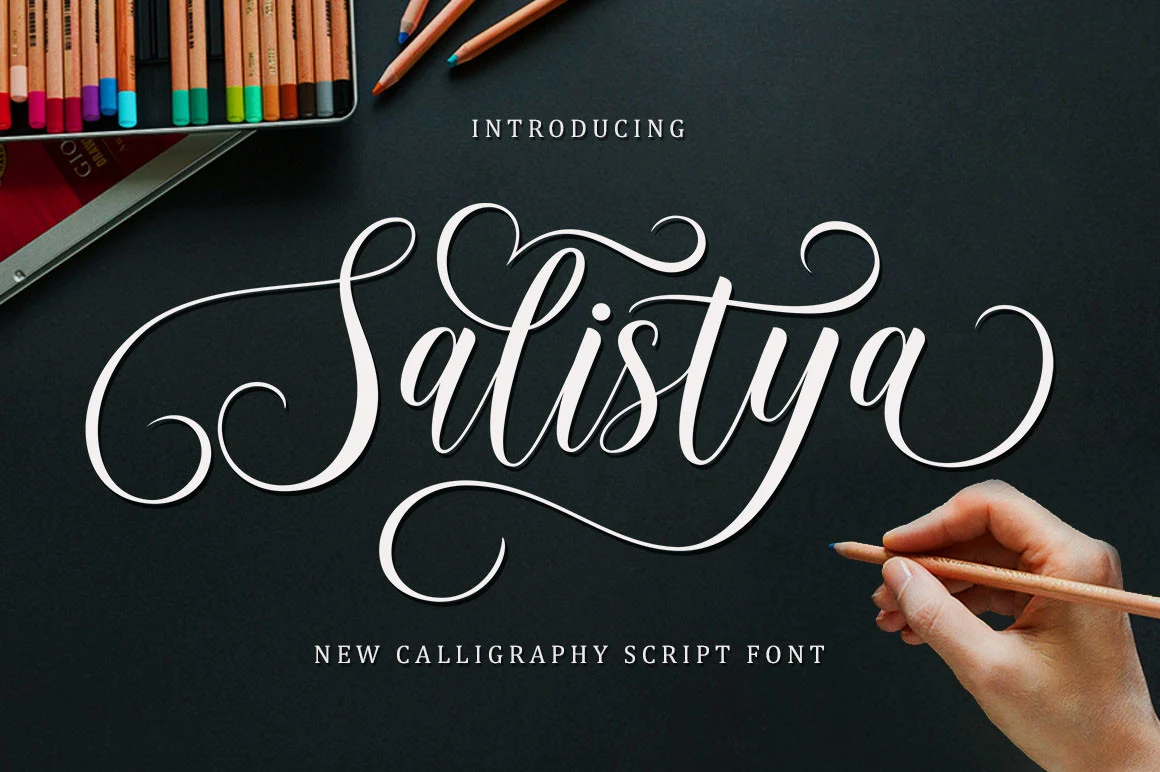
Best For: invitations, wedding designs, logos, branding
Salistya Font creates a strong title treatment through extended initial and terminal swashes, a rightward slant, and high contrast. The connected forms are best reserved for large invitation names, branding, or short wedding headings rather than practical reading text.
Nikahan Script Font
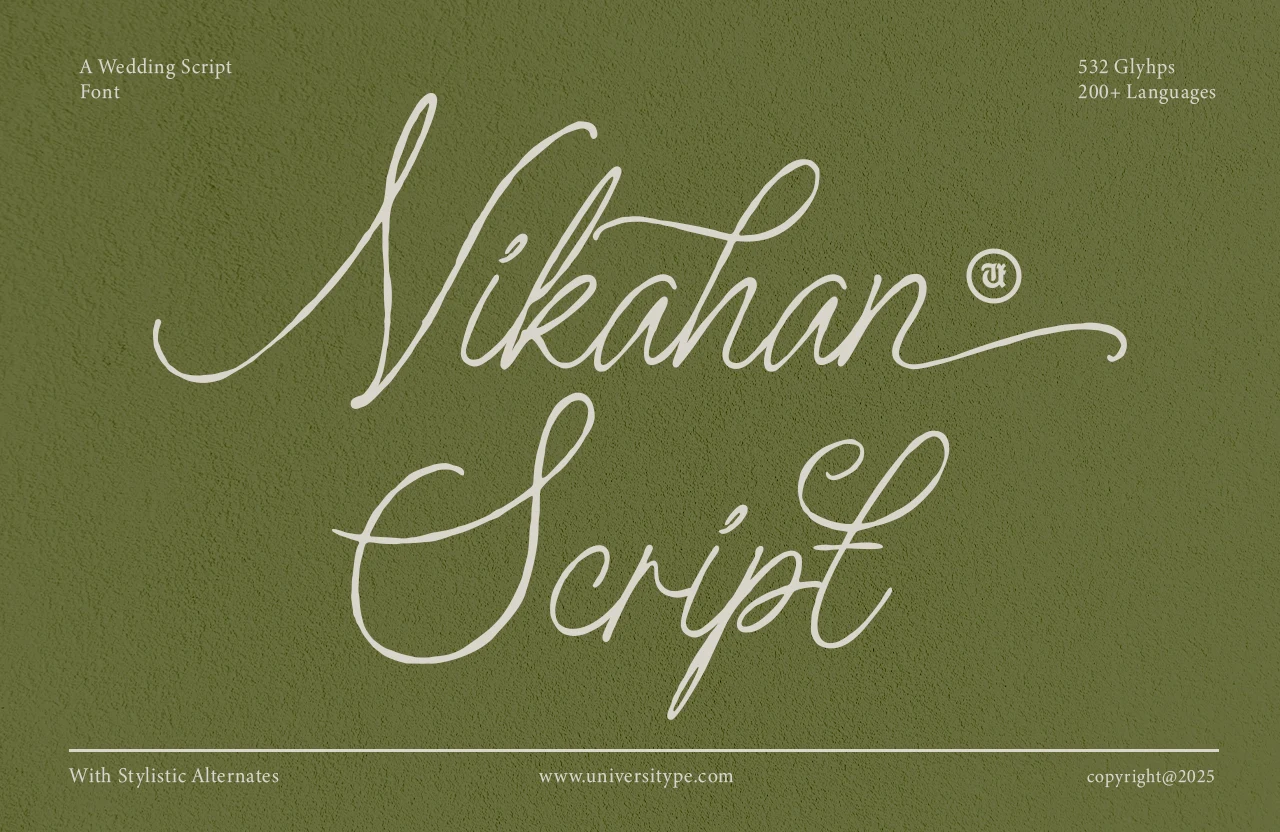
Best For: wedding designs, invitations, romantic designs, elegant designs
Nikahan Script Font leans strongly right with pronounced thick-thin contrast, fluid connections, and decorative entry and exit swashes. Thin strokes need room to remain clear, making it a better choice for large invitation wording than compact supporting text.
Darlington Font
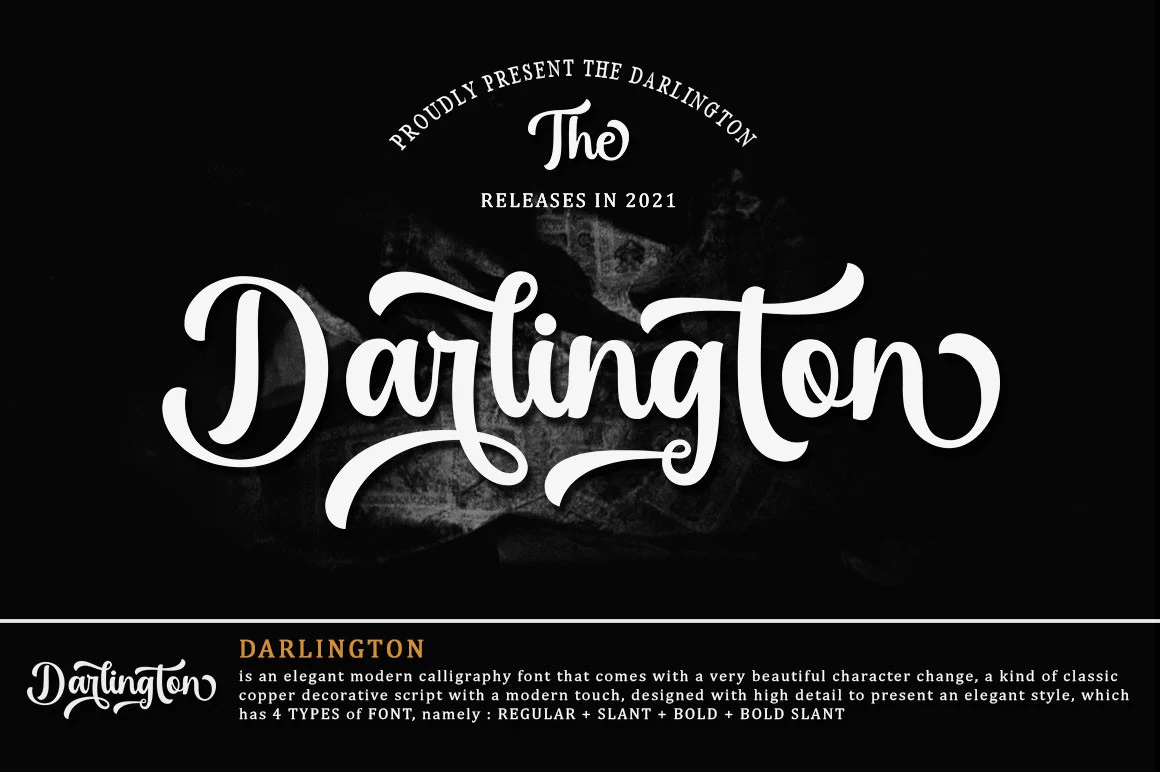
Best For: invitations, wedding designs, logos, headlines
Darlington Font uses looping ascenders, descenders, and high-contrast connected forms to build a richly decorative script. Its character-change feature can vary the result, but the detailed forms remain better suited to large titles than small text.
Newly Bridal Font
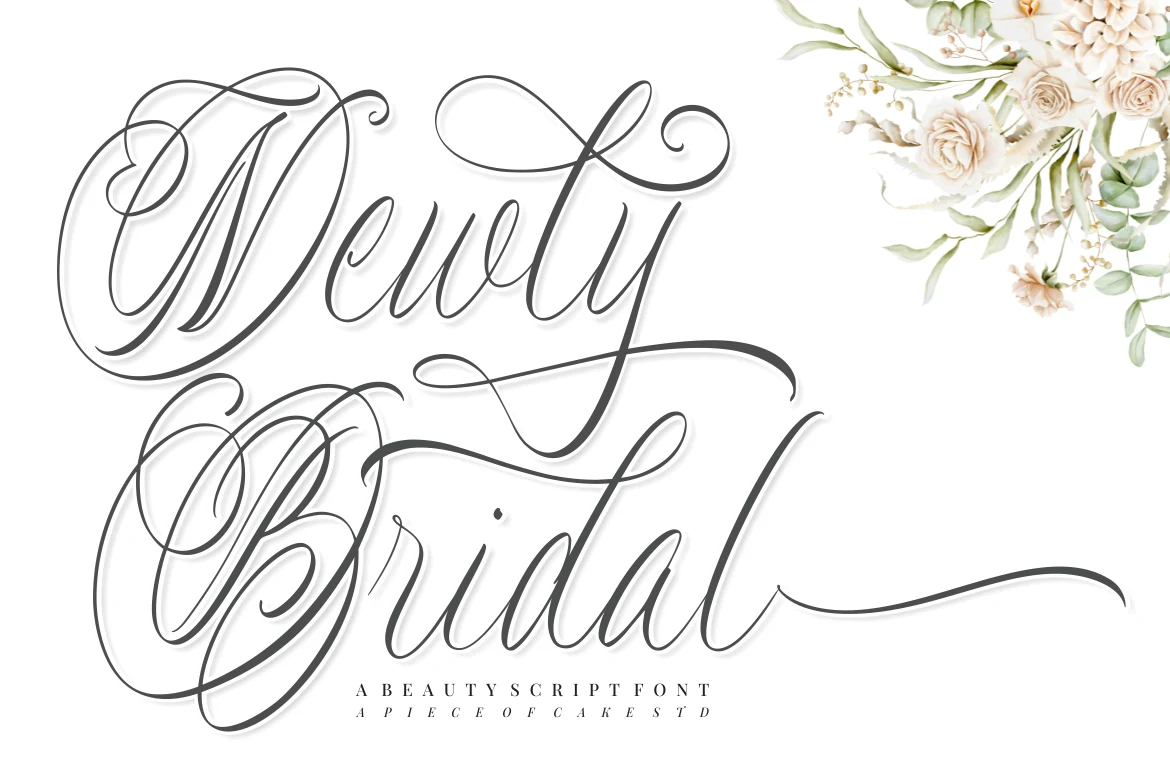
Best For: wedding designs, invitations, social media graphics, quotes
Newly Bridal Font mixes letter widths with looping terminals, extended swashes, and strong stroke contrast. Its glyphs reward generous sizing on invitation names and social graphics, while sharply reduced text can lose clarity around the flourished joins.
August Wedding Font
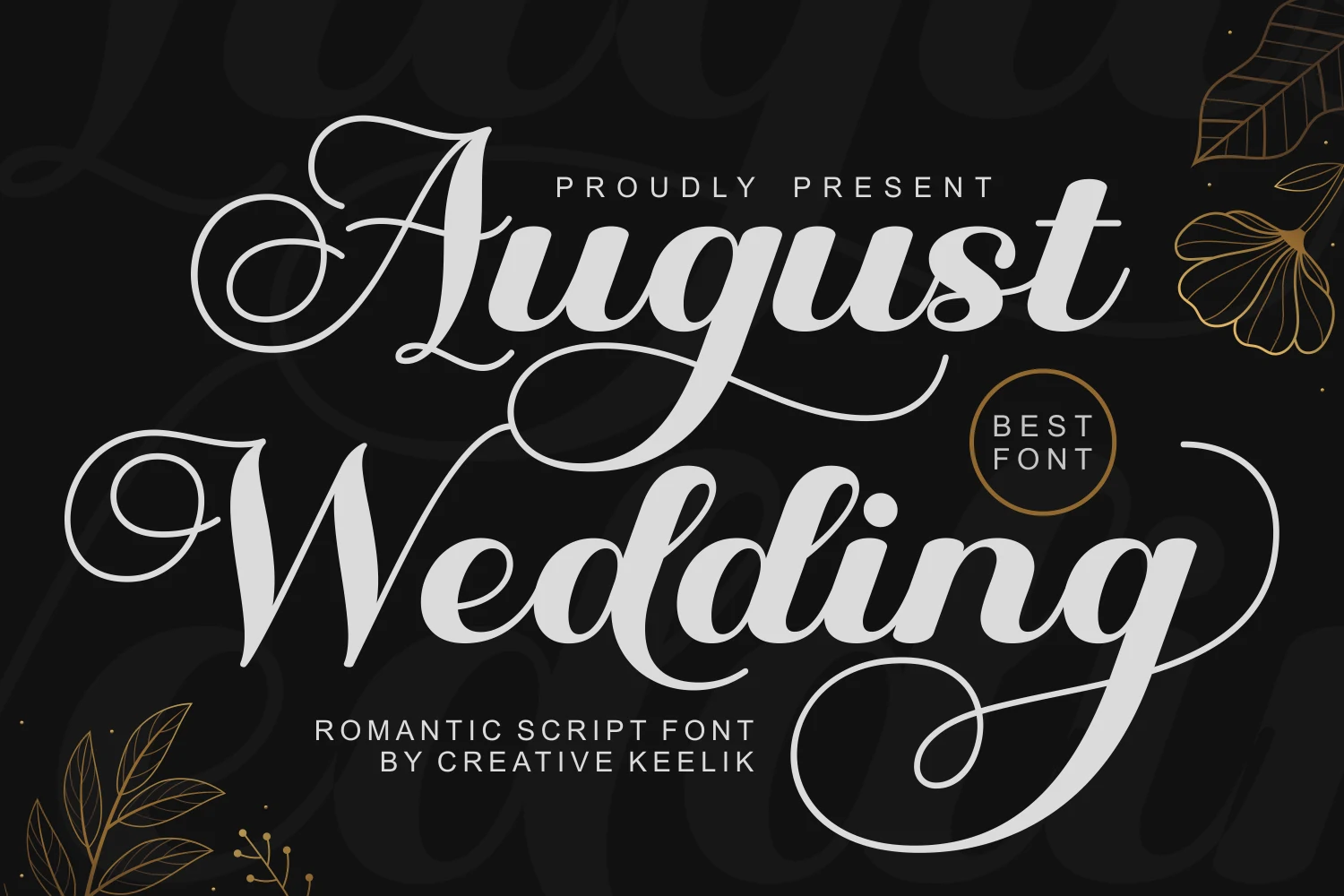
Best For: invitations, wedding designs, headlines, display text
August Wedding Font is distinguished by tapered terminals within its interconnected, high-contrast lettering. Extensive swashes make it a focused choice for invitation headings, titles, and short lines where the letter endings can remain visible.
Miss Roderick Font
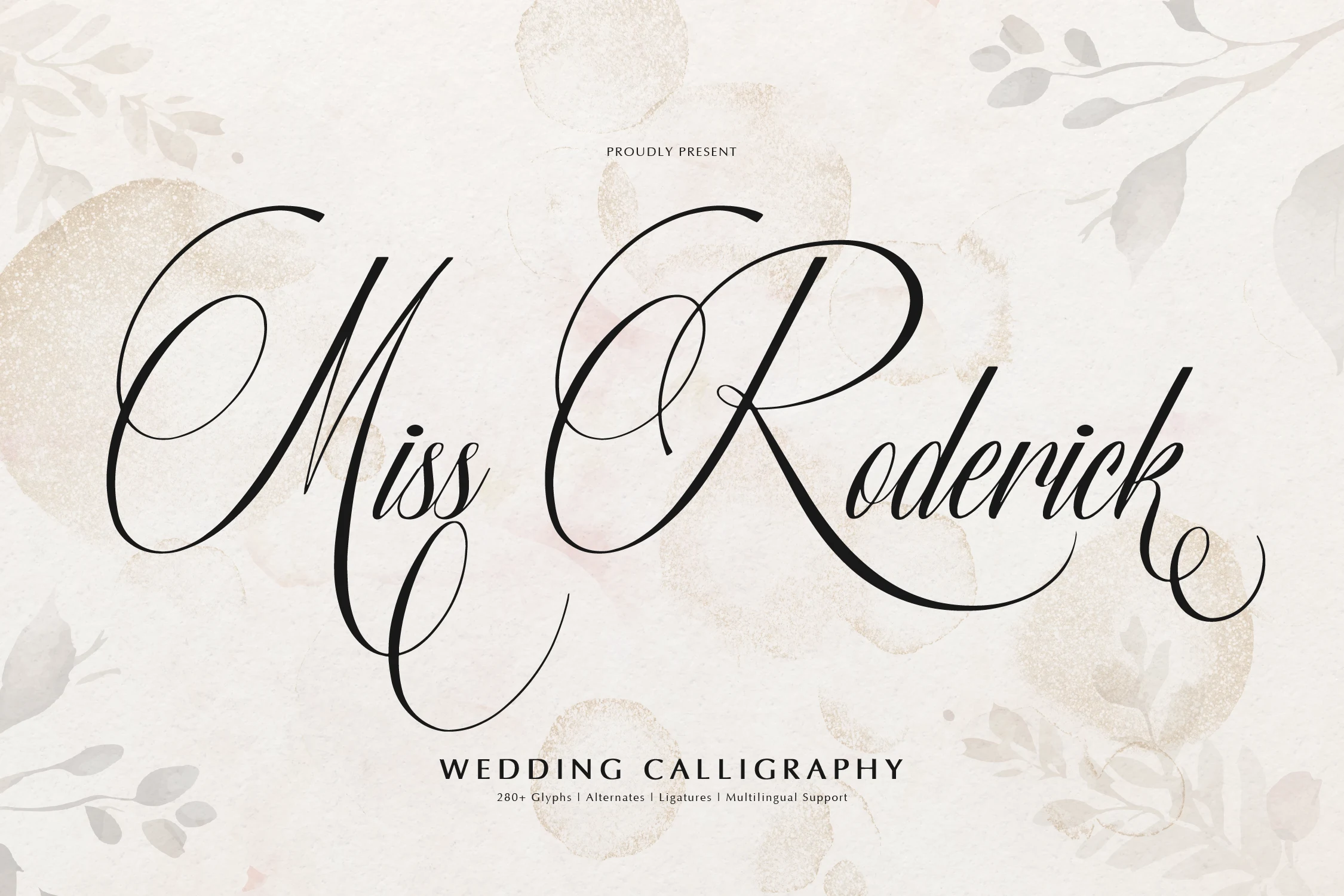
Best For: invitations, wedding designs, logos, headlines
Miss Roderick Font stands out for its large glyph set, stylistic alternates, ligatures, and multilingual support. The production options help customize prominent wedding names and headings, although expansive swashes still make long-form text a poor fit.
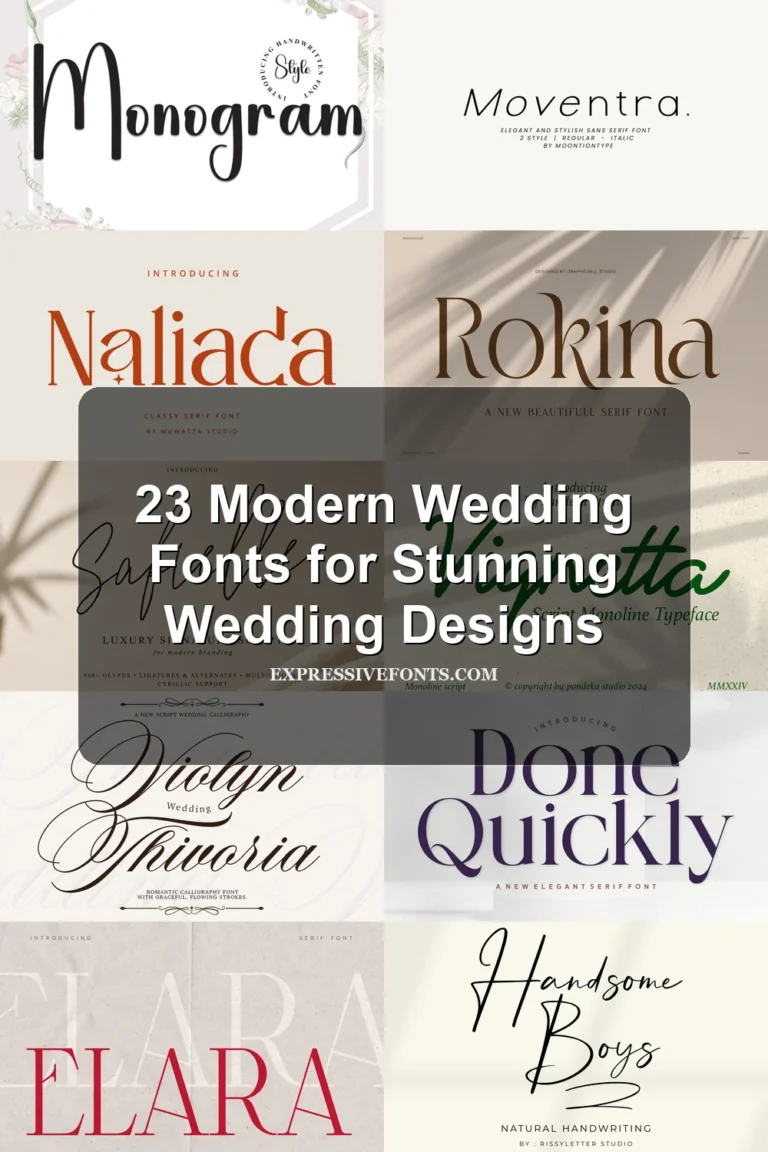
Violyn Wedding Thivoria Font
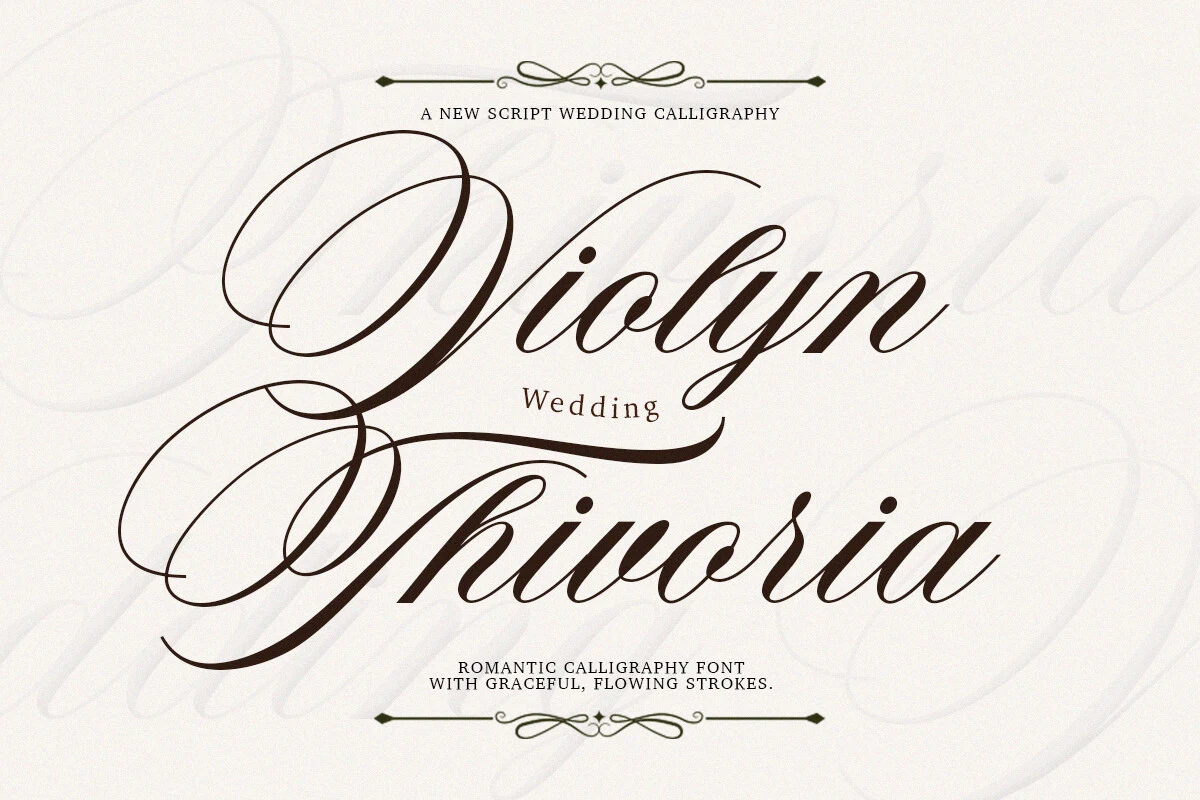
Best For: invitations, wedding designs, headlines, display text
Violyn Wedding Thivoria Font uses a distinct rightward slant plus pronounced initial and terminal swashes to create directional movement. Its complex rhythm needs display scale, where invitation headings and short title treatments remain more readable.
Fertune Font
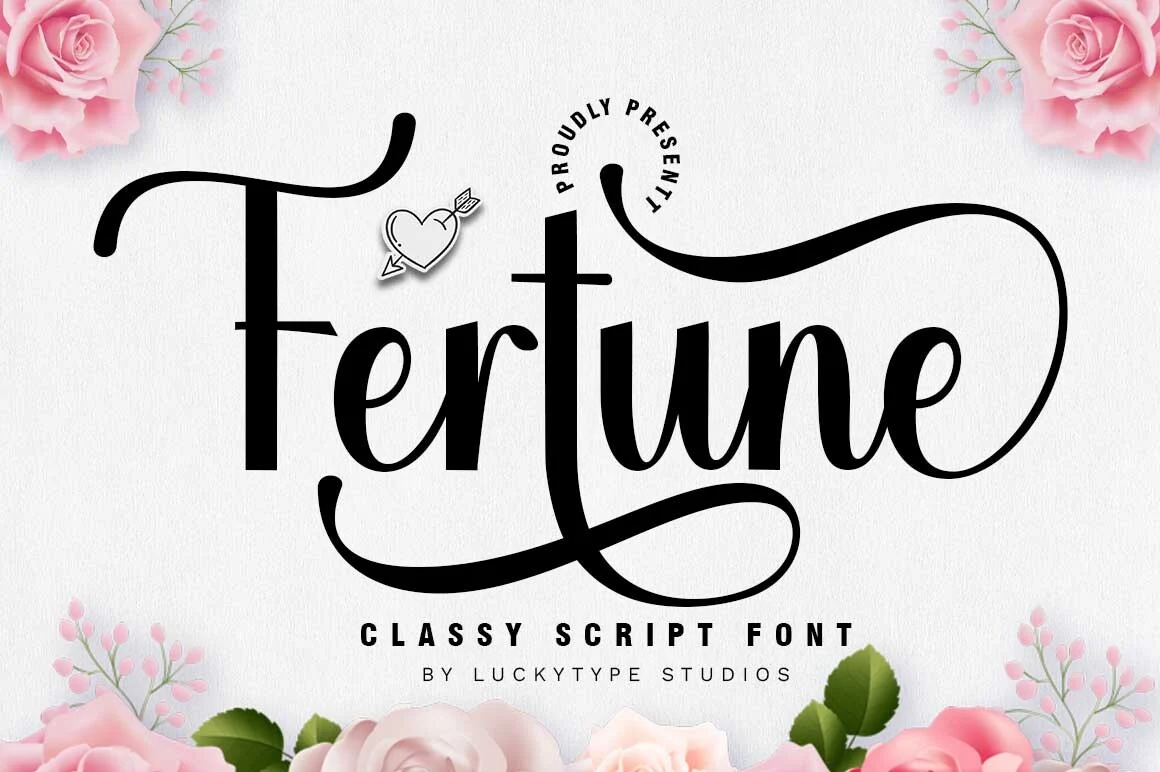
Best For: invitations, wedding designs, social media graphics, quotes
Fertune Font brings a more controlled stance through an upright orientation and stable baseline, while high contrast, swashes, and extended terminals retain its display character. It can work especially well for centered invitation titles, quotes, and social graphics.
Alice Simon Font
Best For: invitations, branding, personal branding, social media graphics
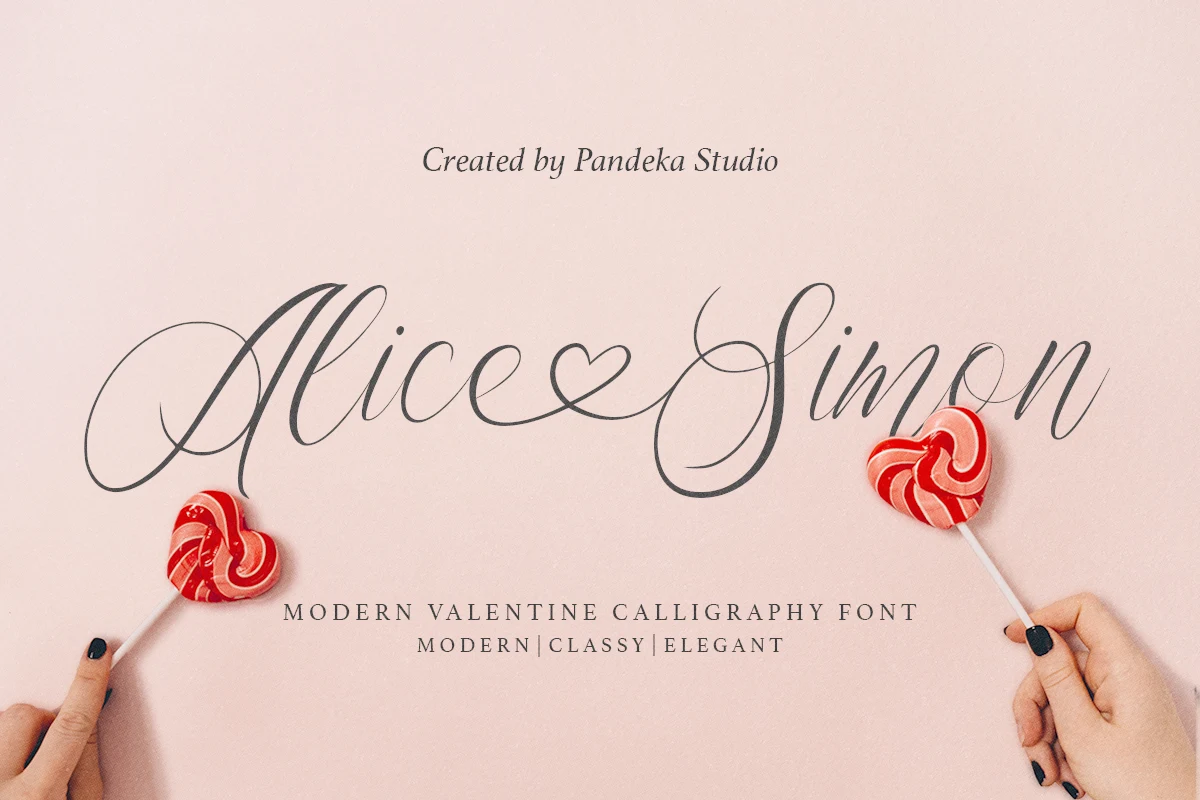
Alice Simon Font adds a heart-shaped detail to otherwise flowing, forward-leaning calligraphy. That specific wedding cue works best as a focal detail in names, logos, gifts, or social graphics, not as a repeated paragraph texture.
Defalliya Font
Best For: invitations, logos, romantic designs, elegant designs
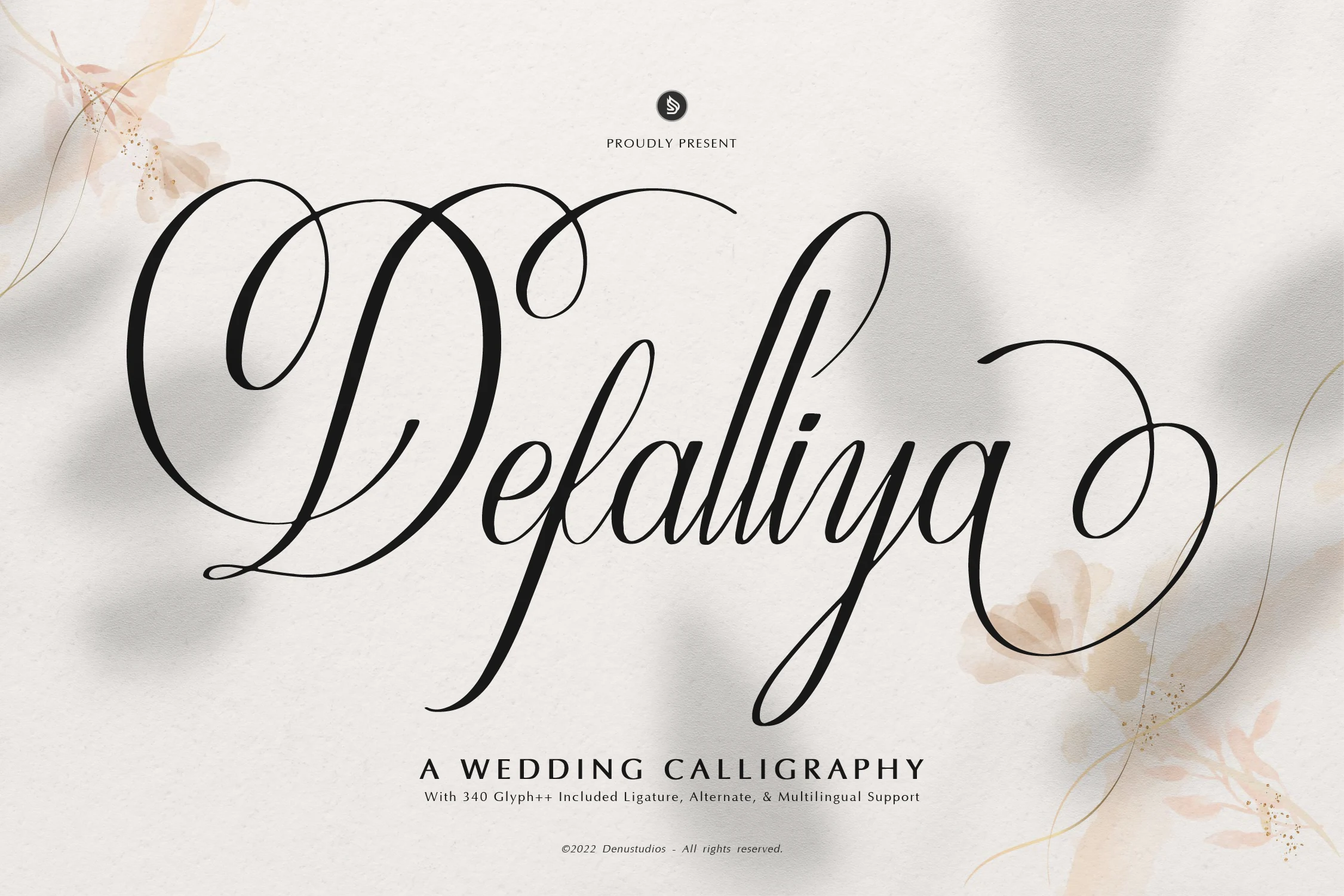
Defalliya Font offers more than 340 glyphs, alternates, ligatures, and multilingual support, giving Wedding Calligraphy Fonts unusually broad production options. Its pronounced slant and long swashes still favor short invitations, logos, and decorative designs over extended reading.
Flavinda Font
Best For: logos, wedding designs, quotes, social media graphics
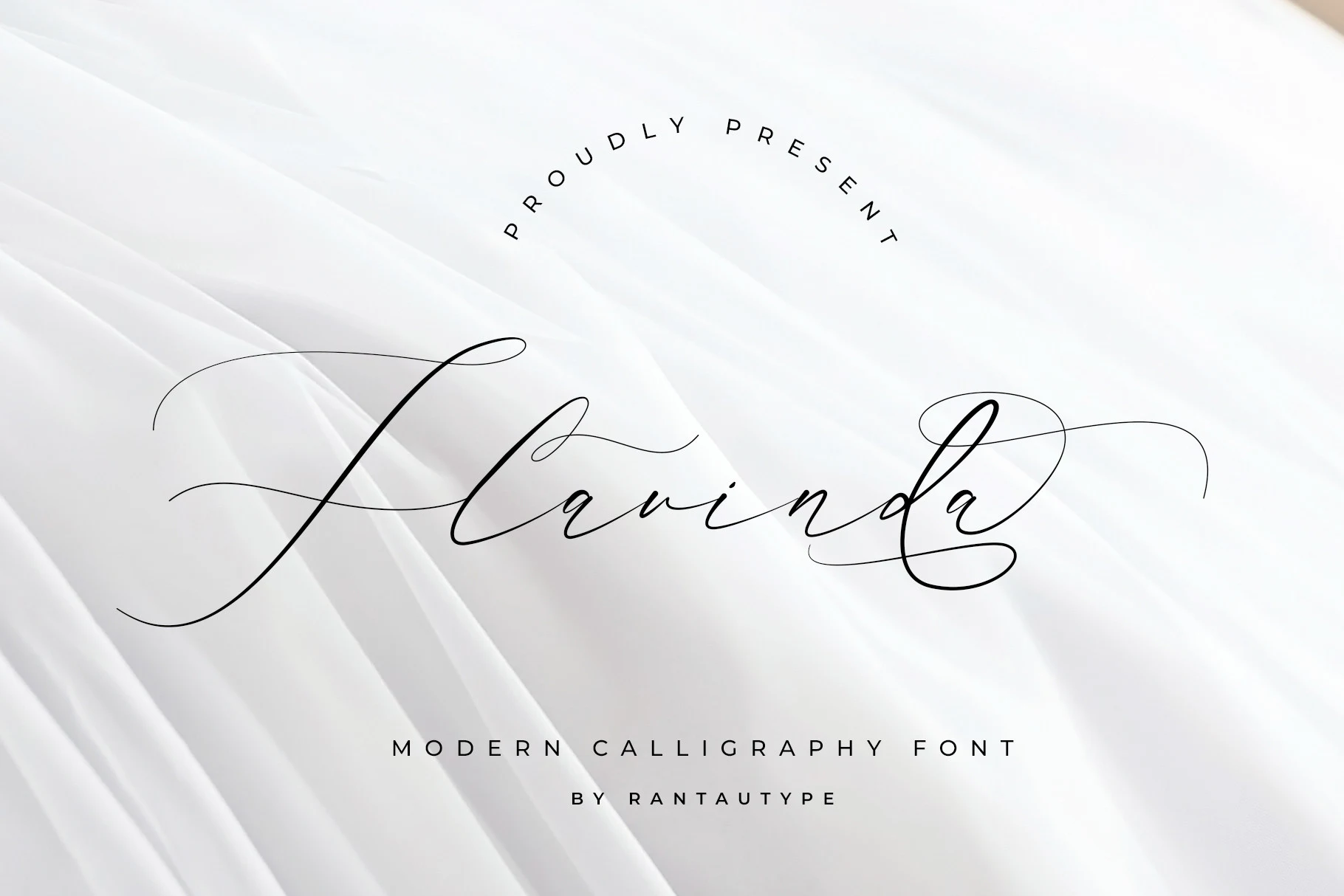
Flavinda Font pairs stable right-leaning connections with high contrast and extended initial and terminal swashes. It handles wedding logos, invitations, quotes, and social graphics well, though its stylization limits clarity when reduced to small sizes.
Wedding Signature Font
Best For: invitations, display text, short phrases, wedding designs
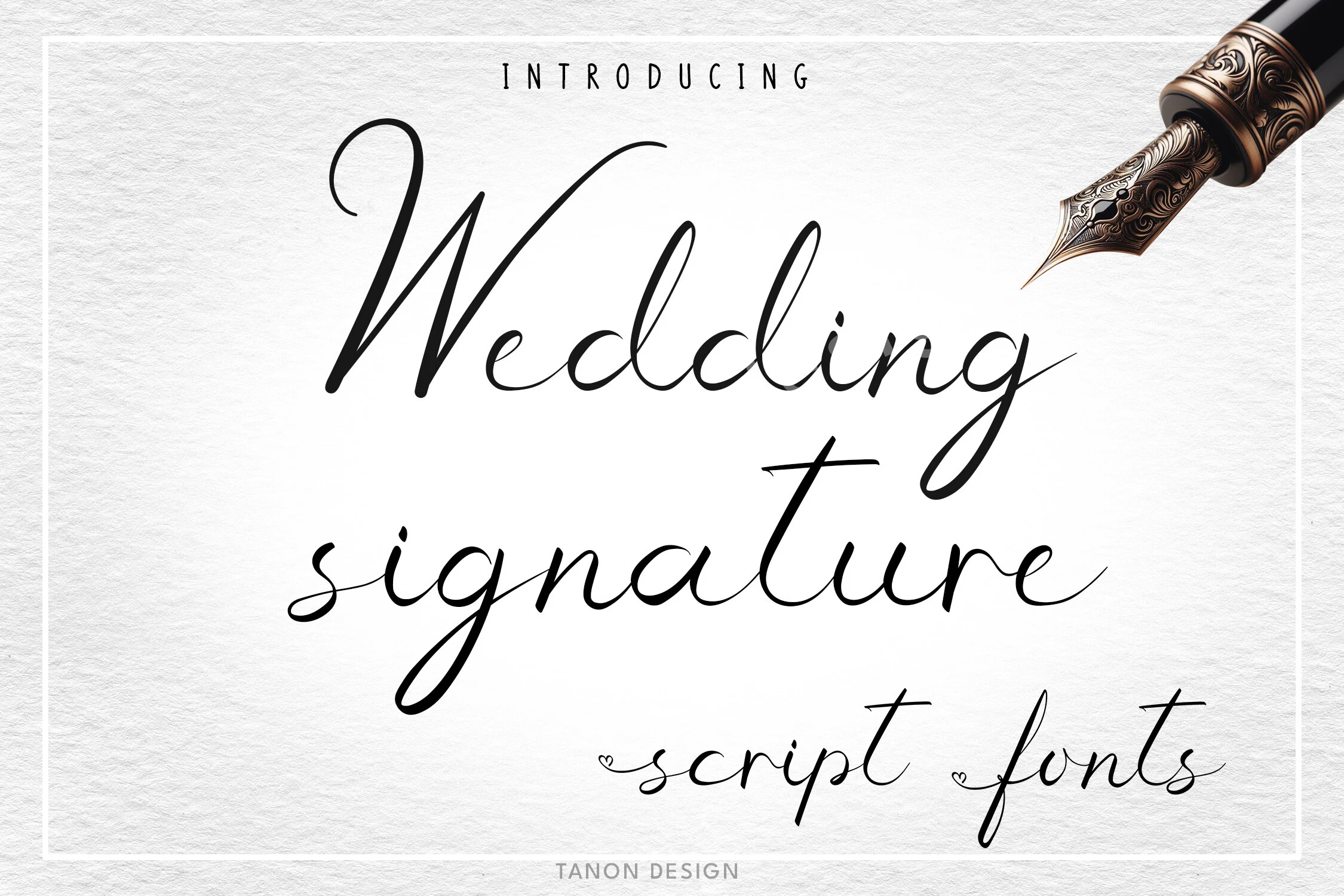
Wedding Signature Font finishes its connected lettering with a pronounced rightward slant and decorative terminal swash. Moderate readability makes it practical for large short phrases and invitations, but dense copy will quickly become difficult to follow.
Light And Monoline Wedding Scripts
These scripts use more even strokes, lighter contrast, and visibly fluid connections. Bouncy or upright movement makes them approachable alternatives to the heavily flourished formal scripts.
Canales Font
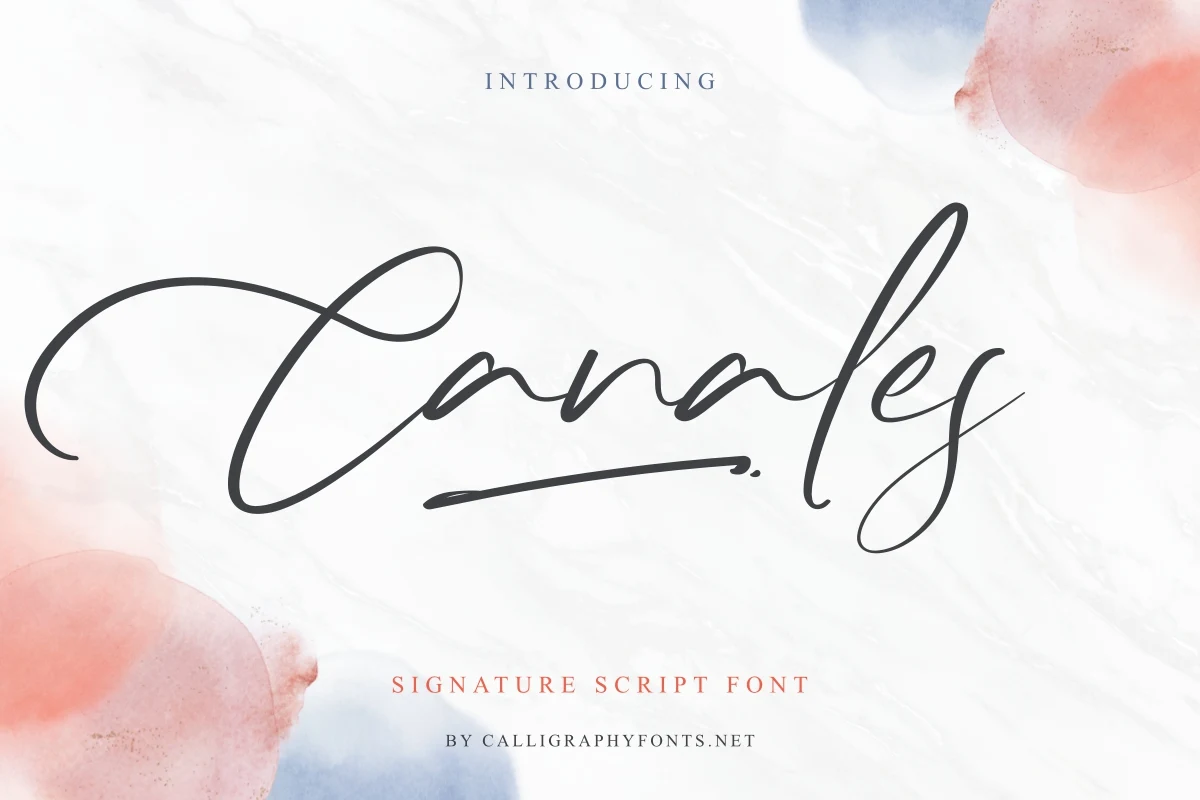
Best For: wedding designs, logos, business cards, invitations
Canales Font gets its signature-like movement from long ascenders, descending swashes, subtle weight changes, and an irregular baseline. It suits names and logos especially well, while extended text becomes tiring because the fluid alignment is highly decorative.
Angelic Sonata Font
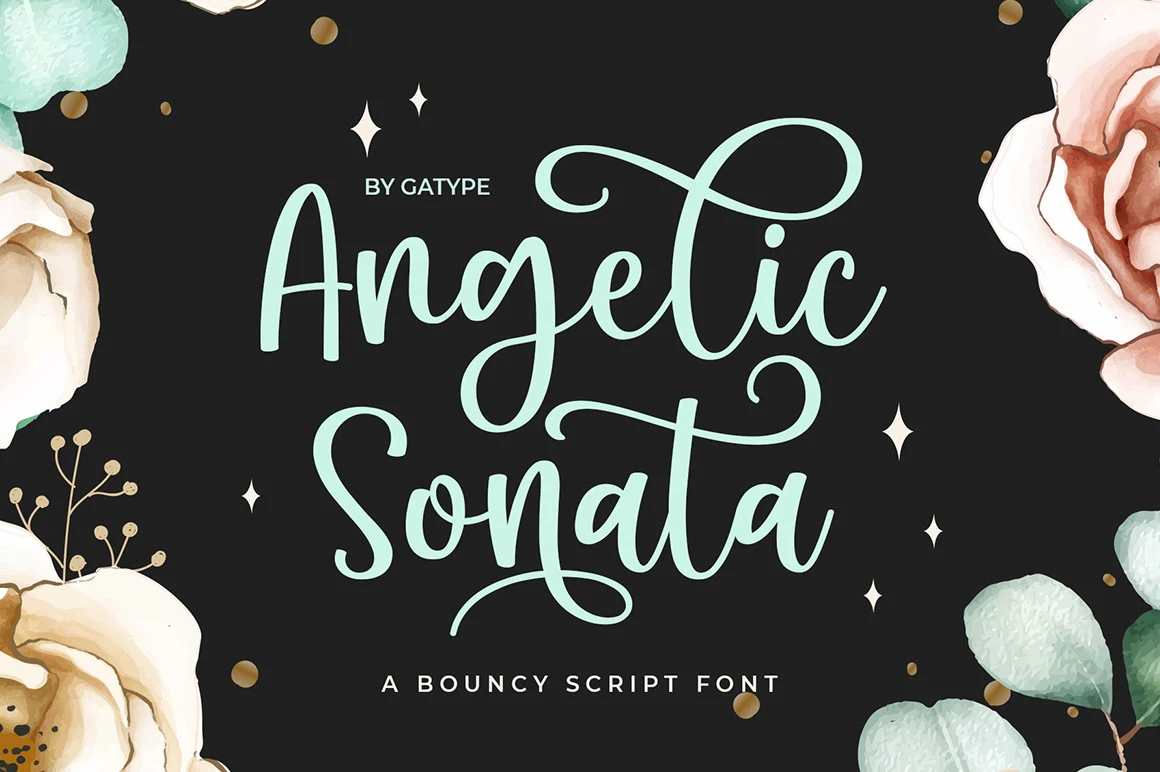
Best For: invitations, logos, branding, packaging
Angelic Sonata Font uses monoline connected strokes and a bouncy baseline to create a playful handwritten rhythm. Its binders support the hand-drawn effect, while the lively movement is better for display invitations, logos, and packaging than tightly aligned stationery copy.
Blackwealth Font
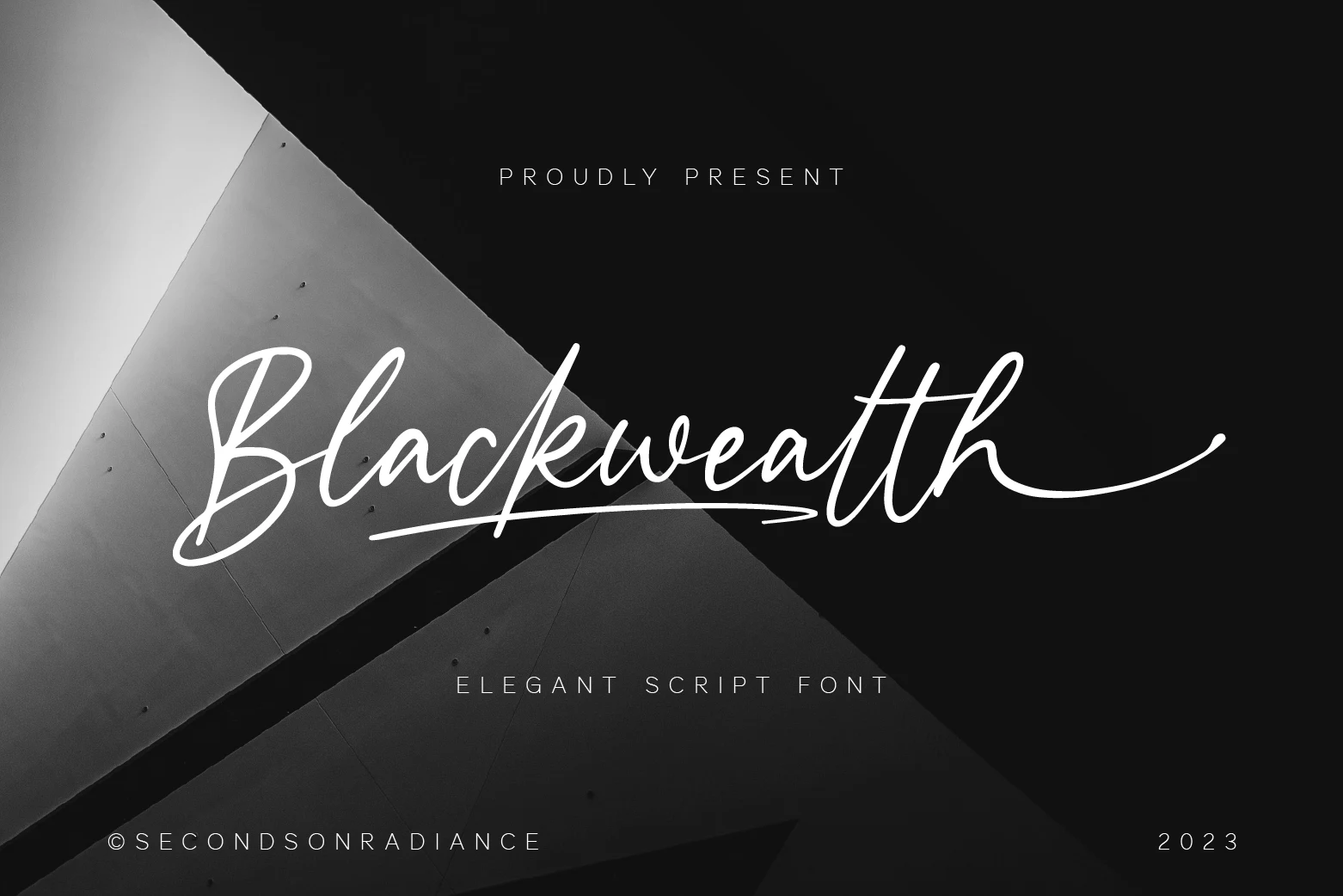
Best For: invitations, logos, branding, packaging
Blackwealth Font keeps connected lettering visually even with a monoline construction, distinguishing it from high-contrast Wedding Calligraphy Fonts. Its extended final tail still favors larger invitation text, while ligatures add useful flexibility for logos, branding, and packaging.
Glow Overload Font
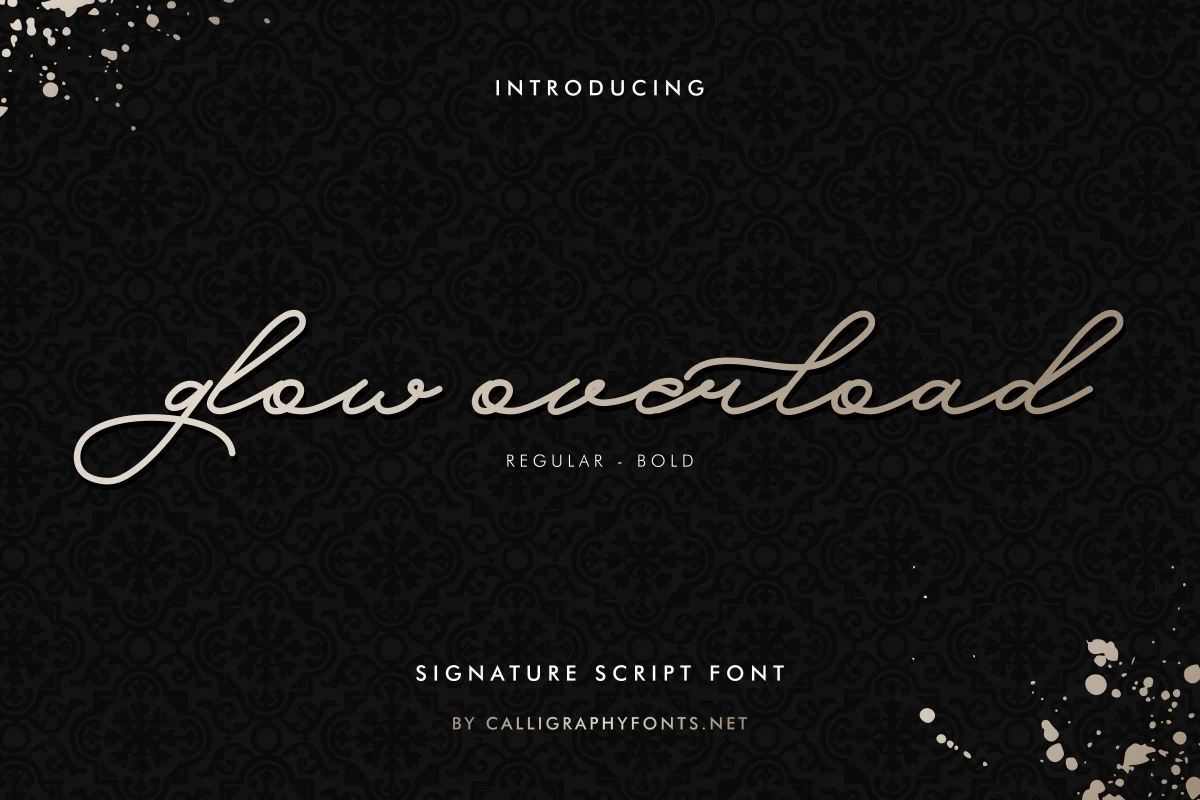
Best For: wedding designs, invitations, social media graphics, personal branding
Glow Overload Font creates a thin signature effect through monoline strokes, pronounced loops, and elongated entry strokes. Fine lines need large sizing, so it is most dependable for wedding invitations, stationery art, social posts, and other open layouts.
Wedding Calligraphy Font
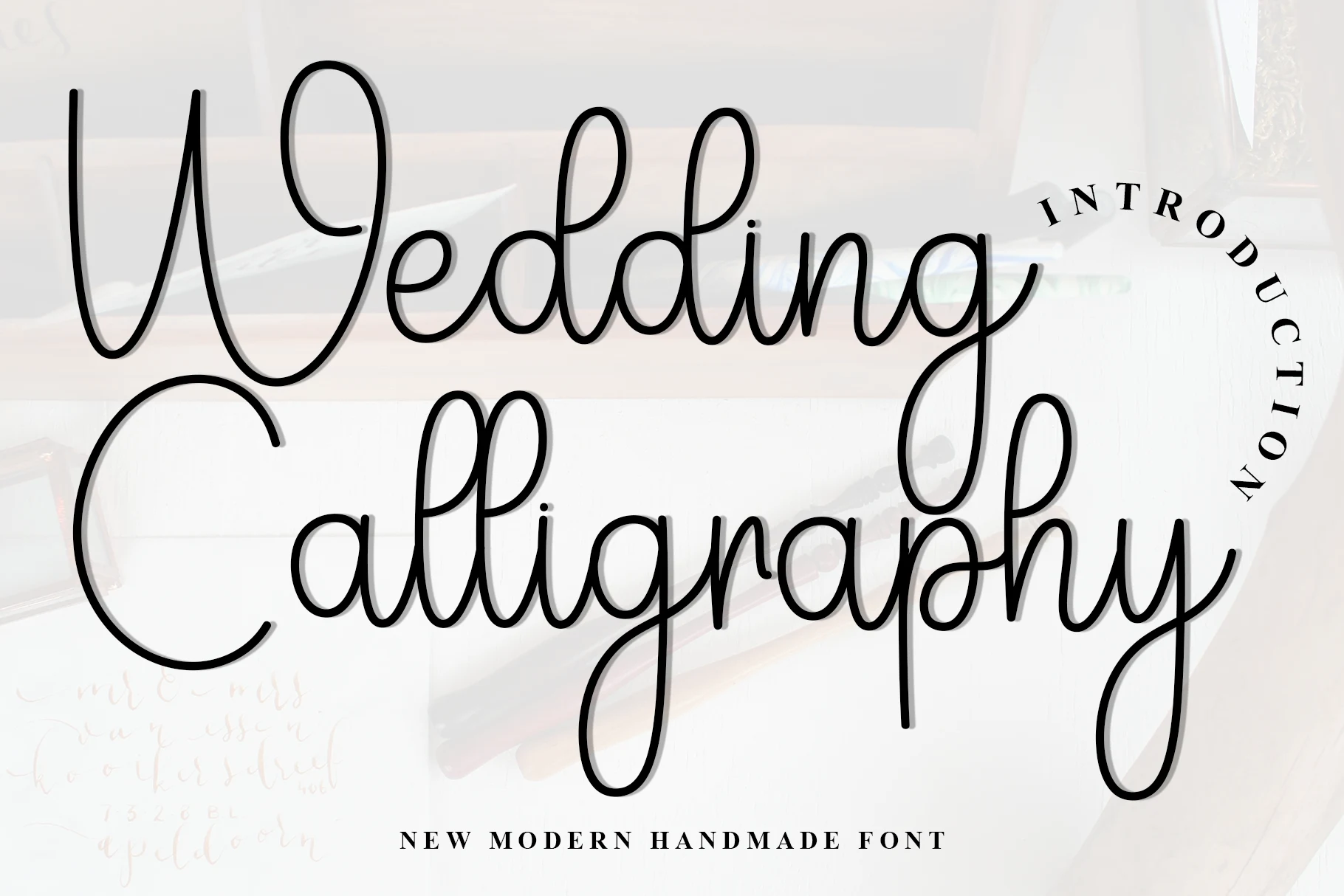
Best For: invitations, social media graphics, display text, short phrases
Wedding Calligraphy Font uses upright monoline lettering with rounded, loopy terminals, giving it a steadier alternative to strongly slanted Wedding Calligraphy Fonts. Consistent strokes aid display legibility, while connected loops keep it better for invitations, graphics, and short phrases than body copy.
Organic And Irregular Wedding Scripts
Loose baselines, partial joins, changing stroke widths, and brush-like movement define this group. Their spontaneous construction adds character but makes alignment and small-scale reading less predictable.
Yellow Molly Font
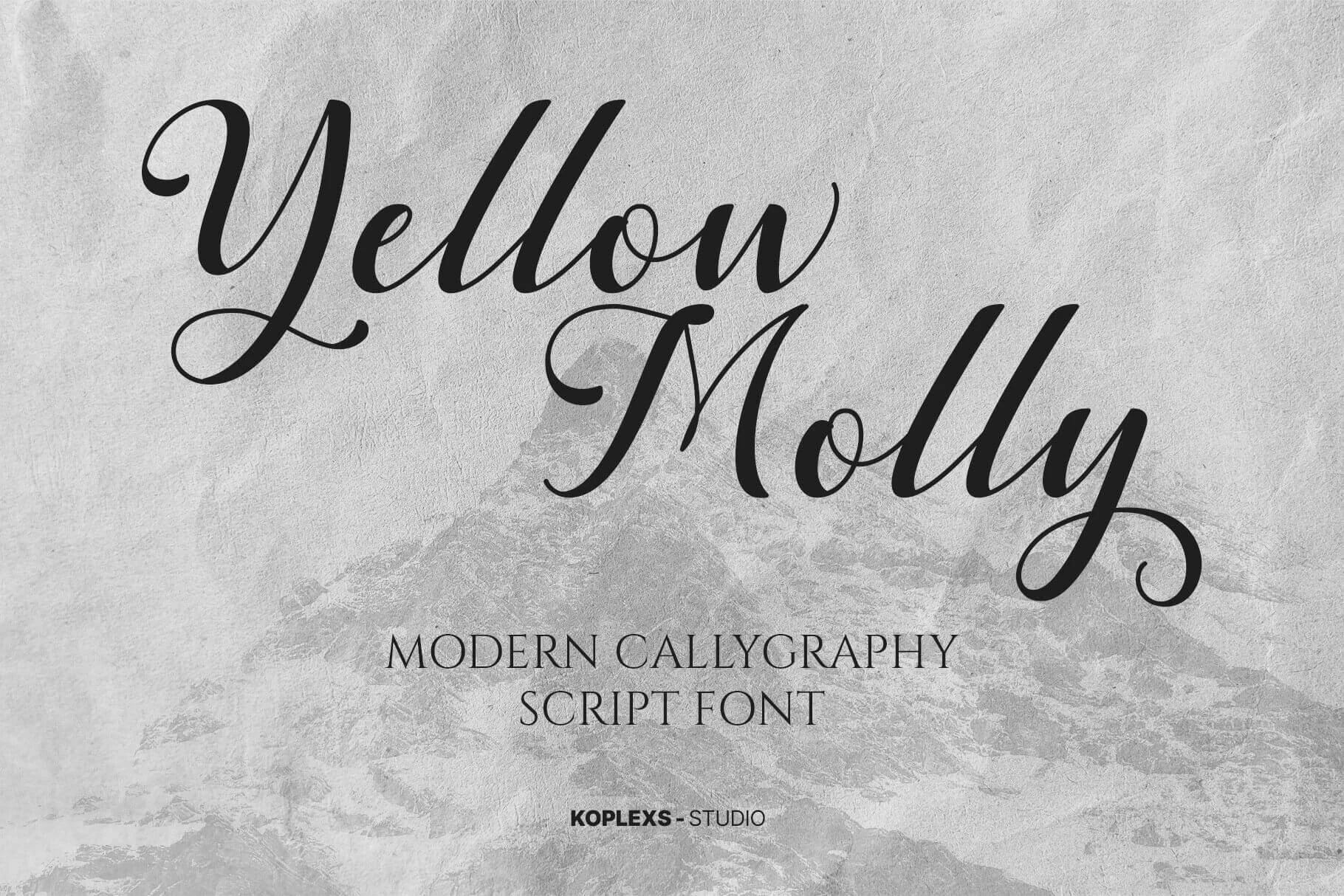
Best For: invitations, wedding designs, logos, short phrases
Yellow Molly Font pairs light, high-contrast connected letters with a pronounced rightward sweep. Decorative loops make it best for short invitation names, headings, and other large Wedding Calligraphy Fonts applications rather than compact wording.
Senja Mentari Font
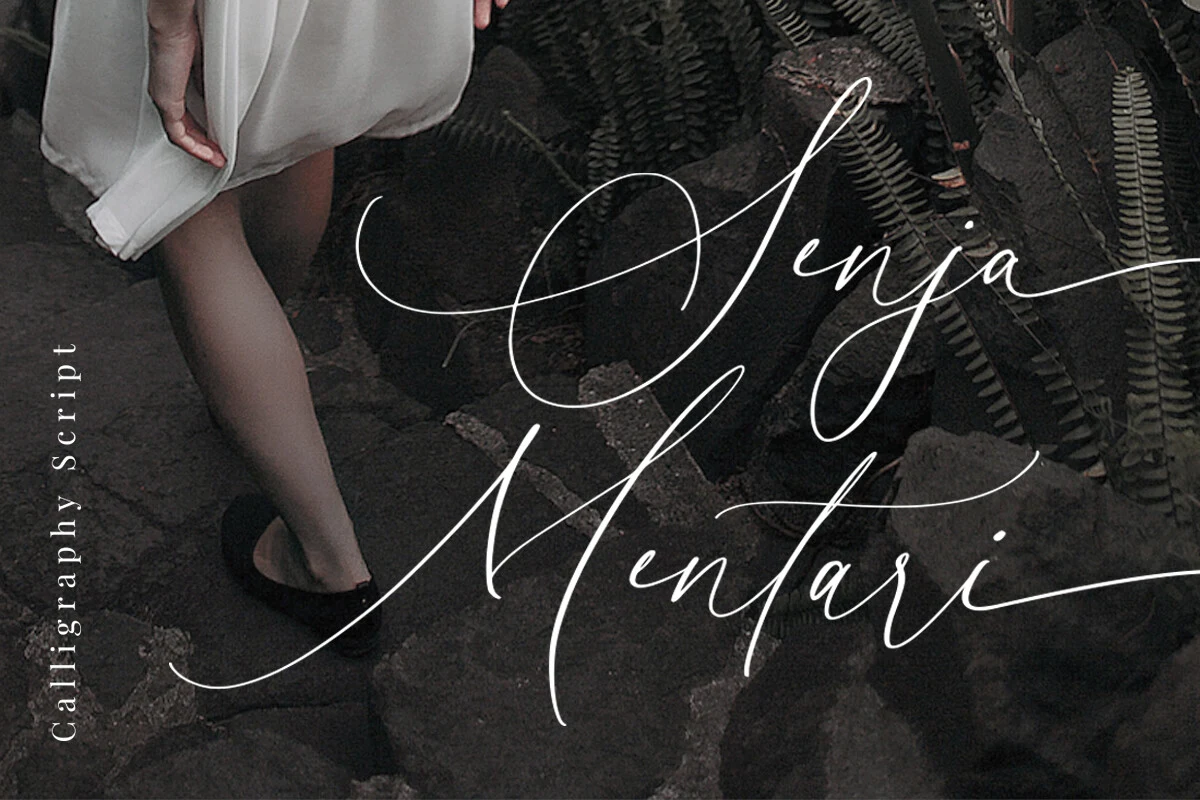
Best For: wedding designs, invitations, branding, logos
For large invitation titles, Senja Mentari Font brings an inky modern construction built from connected cursive strokes, changing widths, and sweeping swashes. Its ornament is visually forceful, but the same detail makes it unsuitable for paragraphs or tightly set lines.
Rustic Wedding Font
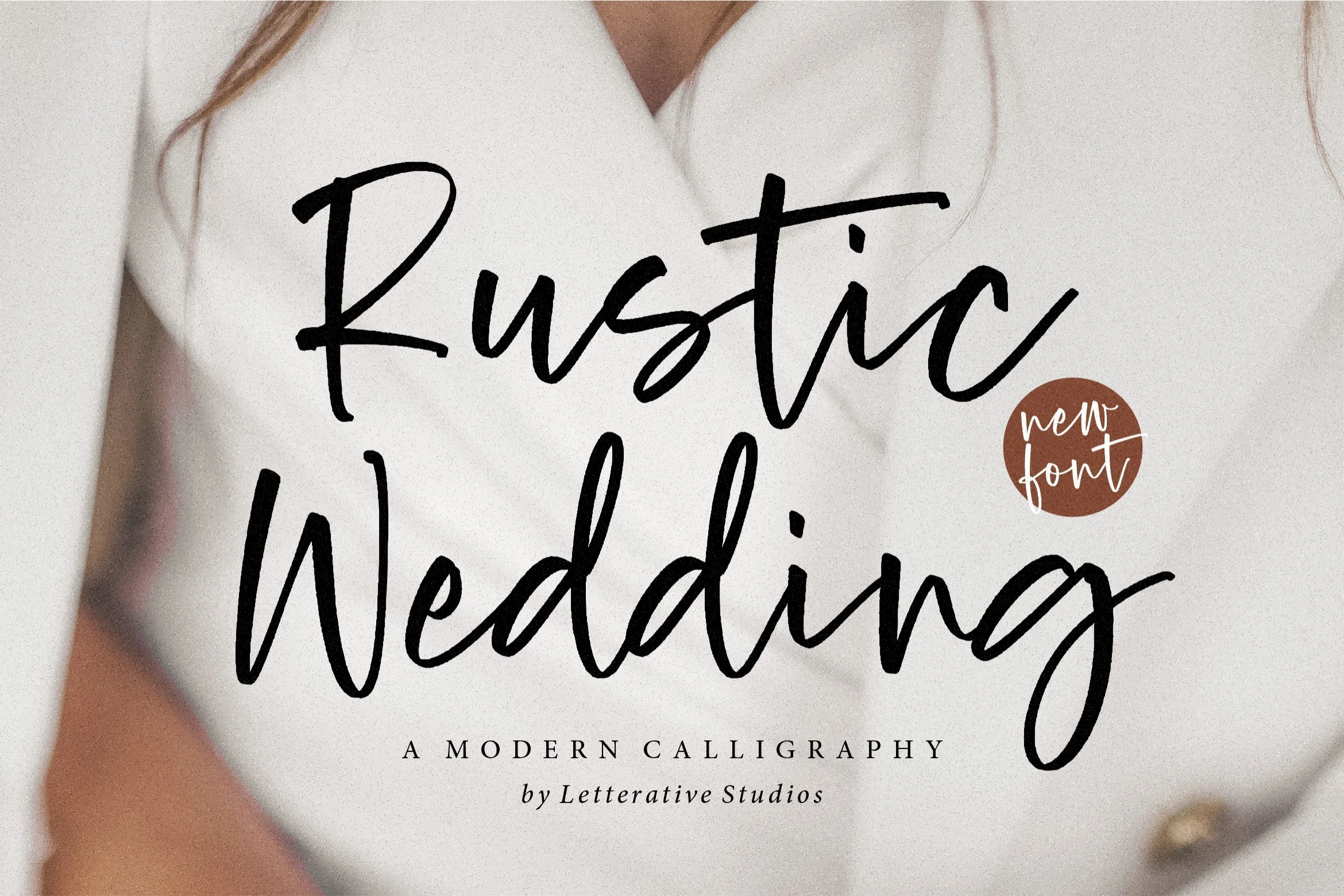
Best For: invitations, wedding designs, display text, quotes
Rustic Wedding Font separates itself from fully joined scripts with partially connected letters and an irregular baseline. The loose brush-like construction suits rustic invitations, display text, and quotes, but sacrifices compact readability when wording is dense.
Shantina Font
Best For: wedding designs, invitations, logos, display text
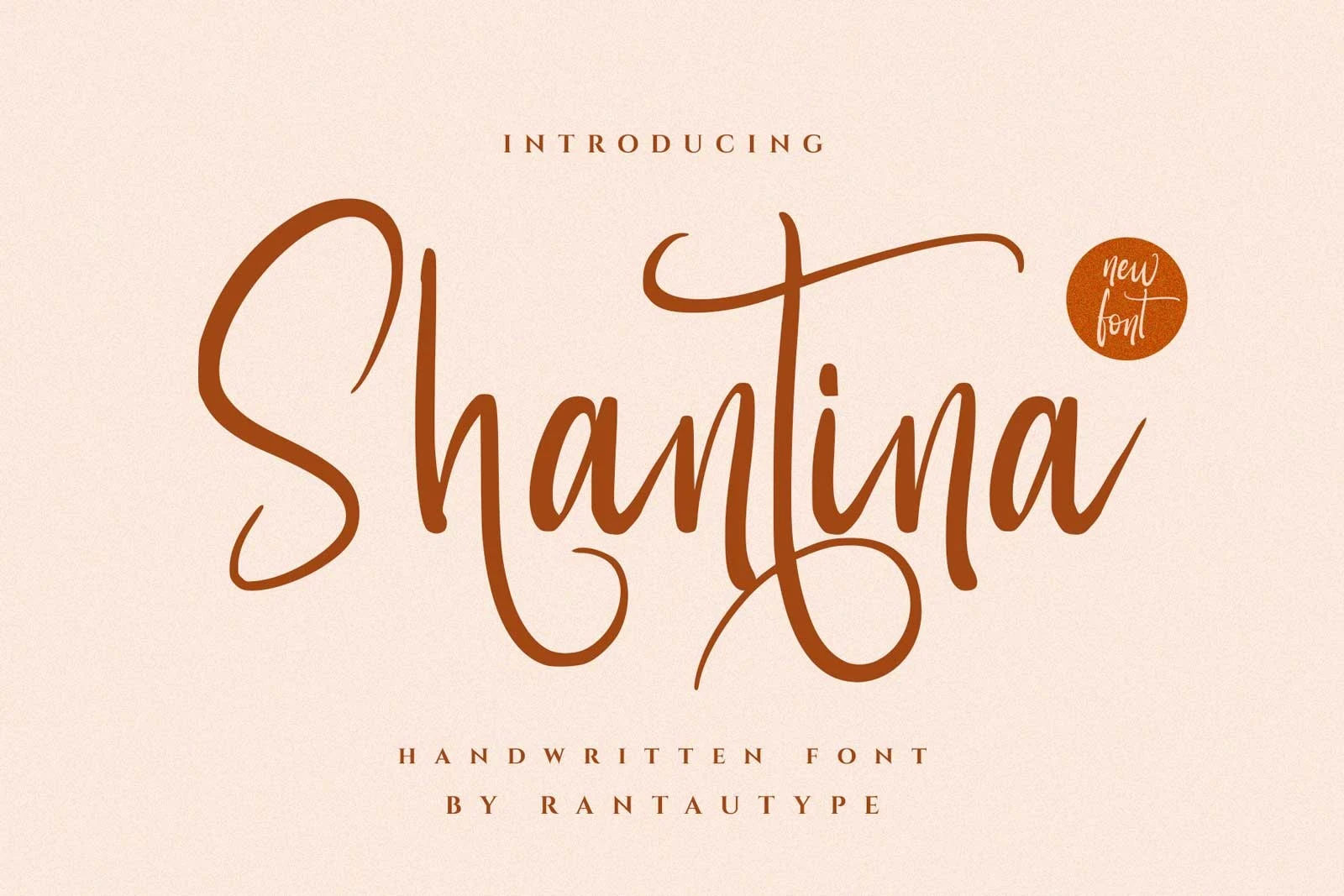
Shantina Font uses dynamic baseline variation across connected, high-contrast lettering, producing a visibly hand-moved result. The shifting alignment adds character to large wedding titles and logos, but can make multi-line wording harder to control.
Feature-Rich And Distinctive Calligraphy
These fonts introduce a pronounced design hook, from oversized capitals and broad swashes to dot-built strokes. They function as focal treatments rather than neutral supporting lettering.
Arvina Font
Best For: wedding designs, invitations, logos, luxury designs
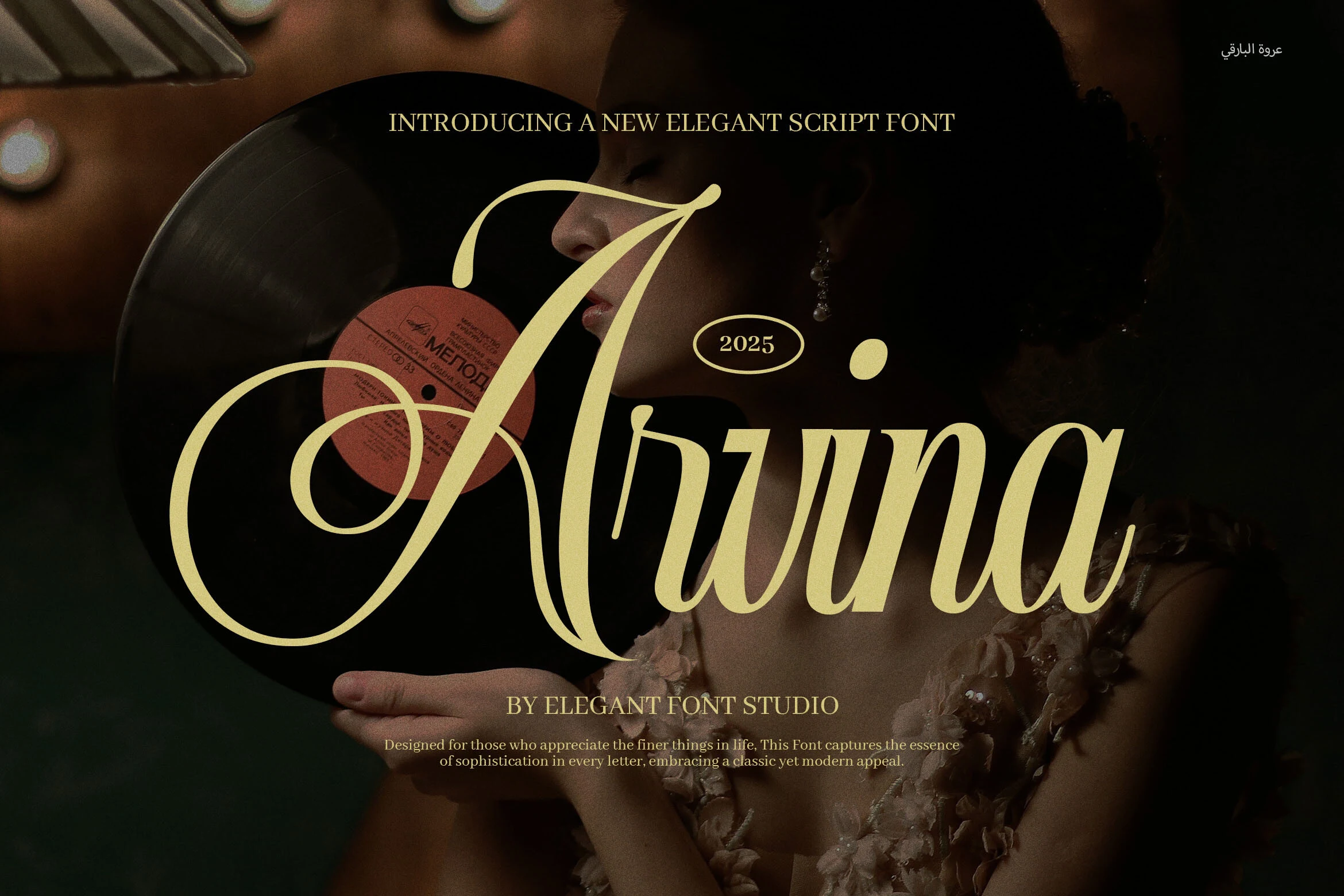
Arvina Font opens with a sweeping capital that gives its connected, high-contrast lettering a strong luxury-mark feel. Dense curves need generous sizing, so it is most effective for wedding names, invitation logos, and other prominent display work.
Arletta White Font
Best For: wedding designs, logos, social media graphics, website headers
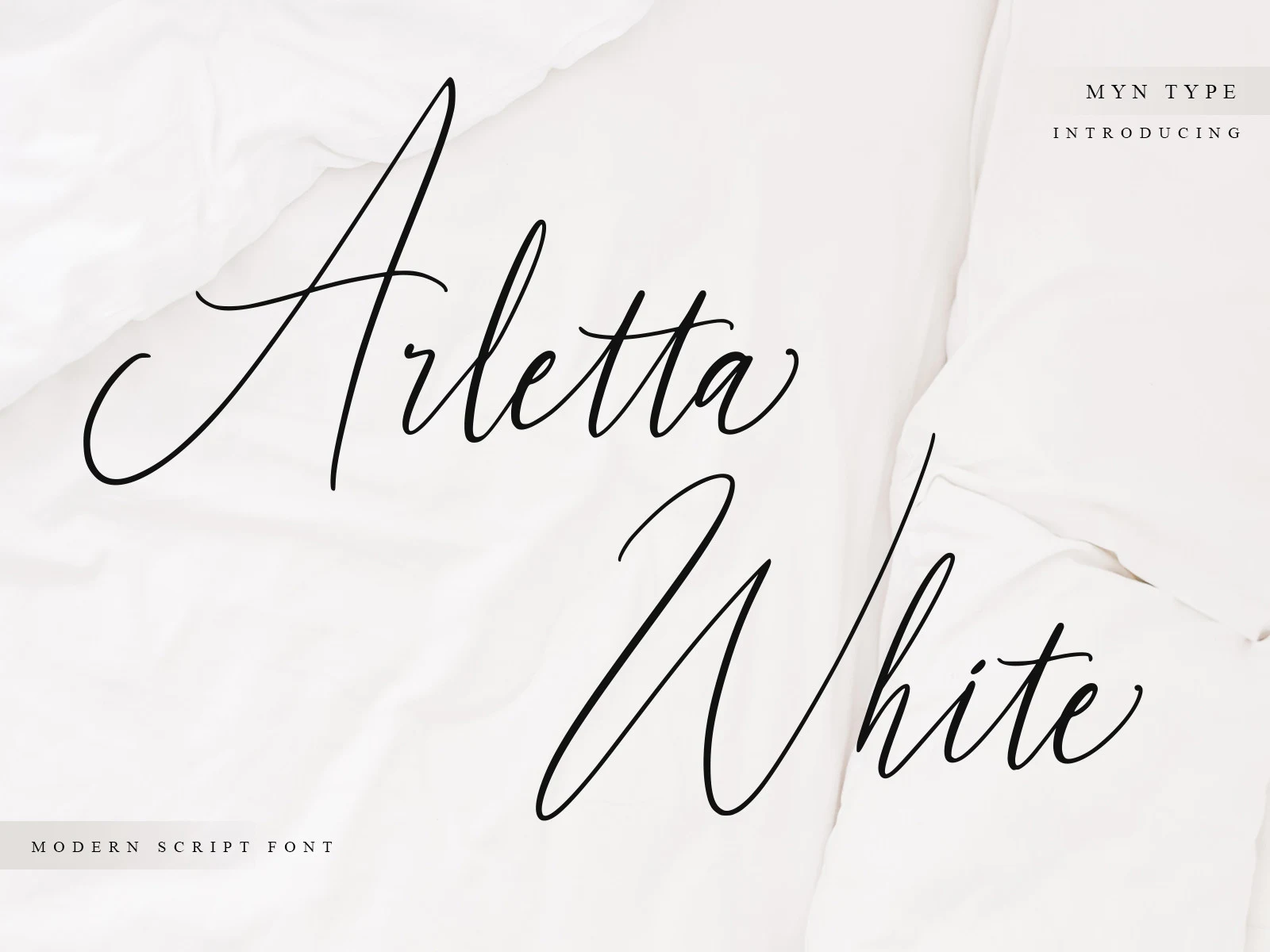
Arletta White Font has variable stroke thickness and flourished entry and exit strokes that create a polished header profile. Small sizes may lose its thin details, whereas website headers, large names, and wedding logos preserve its structure.
Arsellia Font
Best For: logos, quotes, business cards, magazine covers
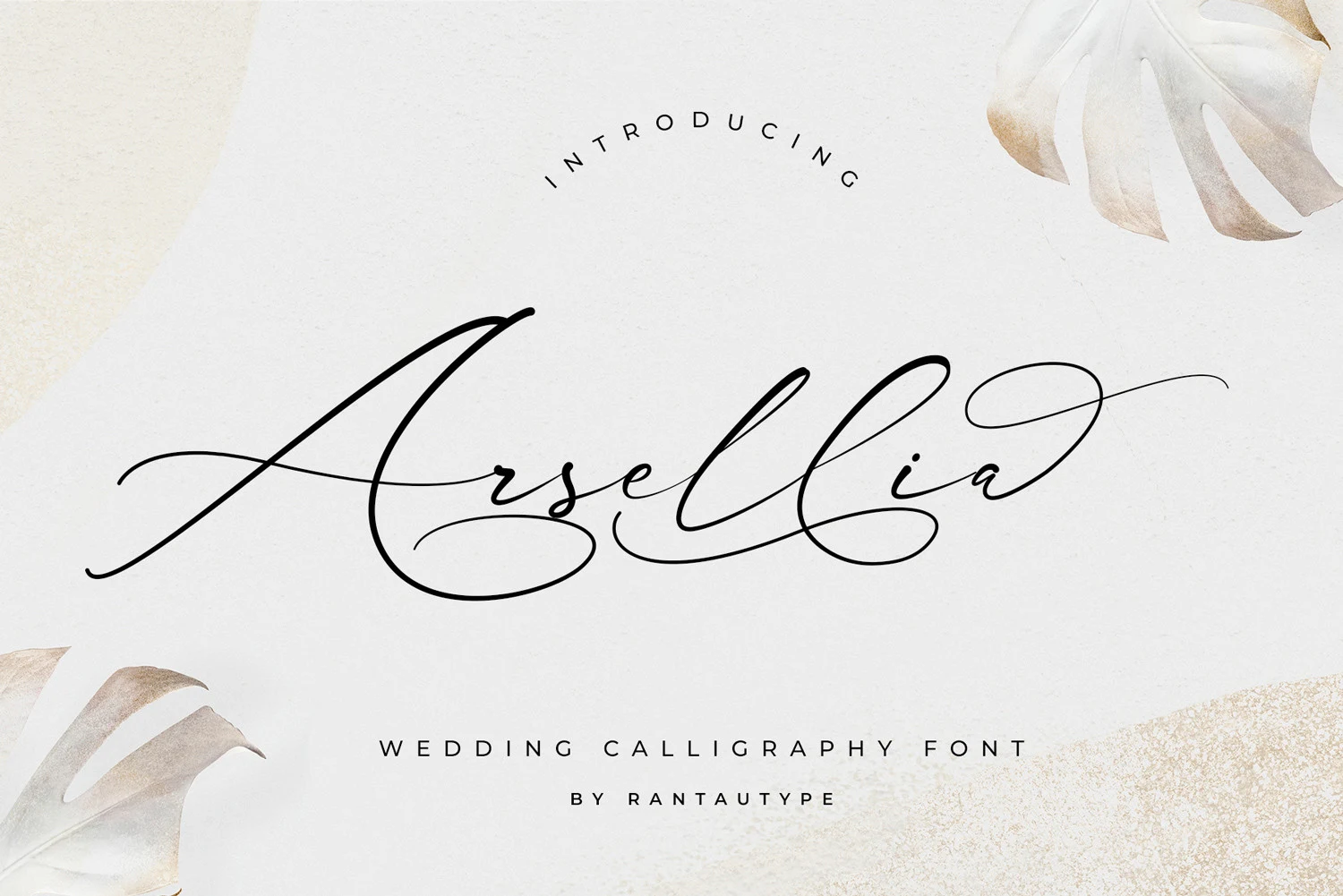
Arsellia Font spreads its connected, high-contrast lettering horizontally, with expansive swashes that need space to breathe. That width suits signature logos, photography marks, quotes, and covers, but narrow invitation cards may require careful sizing and placement.
Meldyte Font
Best For: logos, quotes, magazine covers, business cards
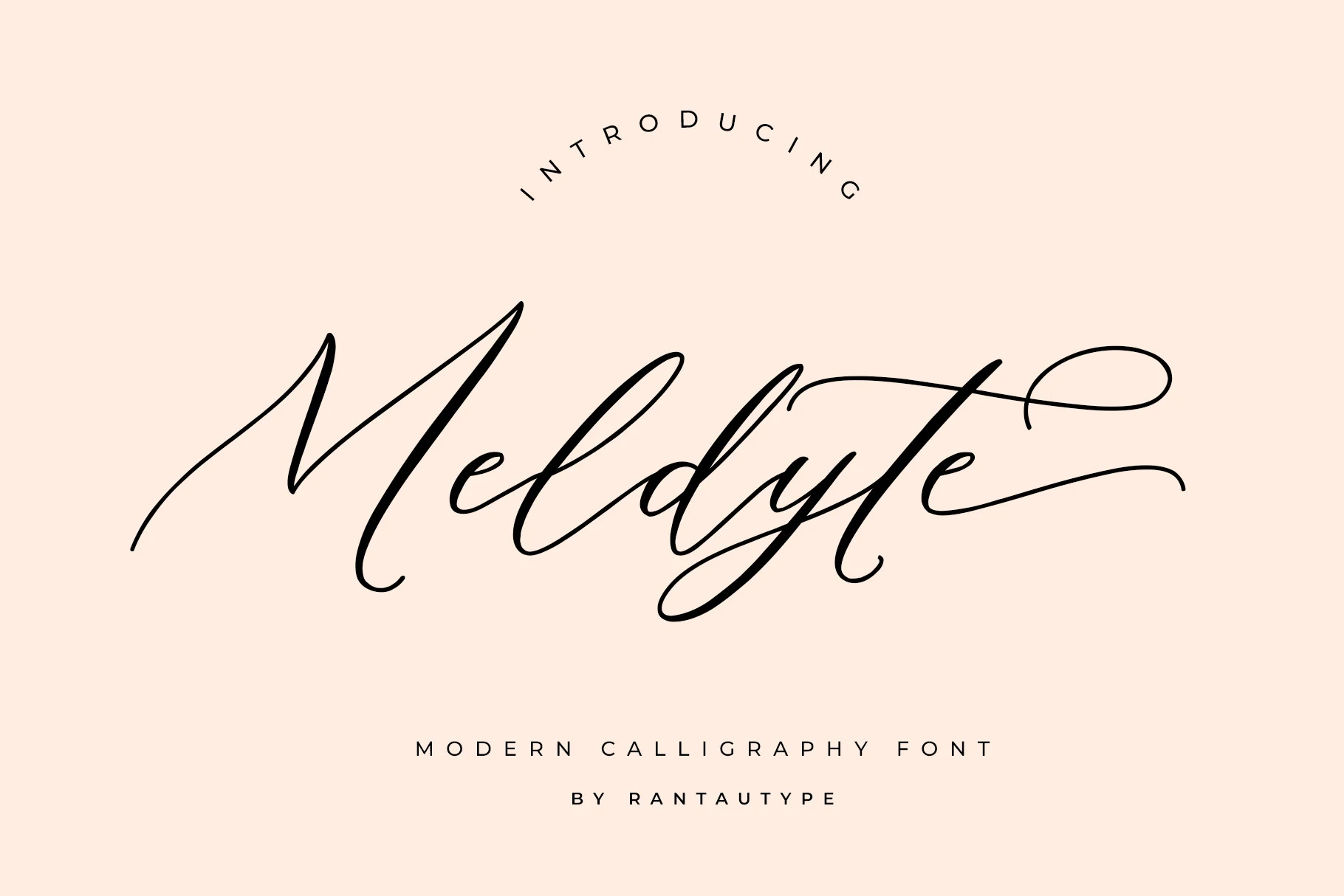
Meldyte Font extends modern high-contrast connections with elaborate terminals and long swashes. The endings read most clearly at large scale, making it a strong fit for signature branding, quotes, album covers, magazines, and business cards.
Babyish Font
Best For: invitations, branding, logos, social media graphics
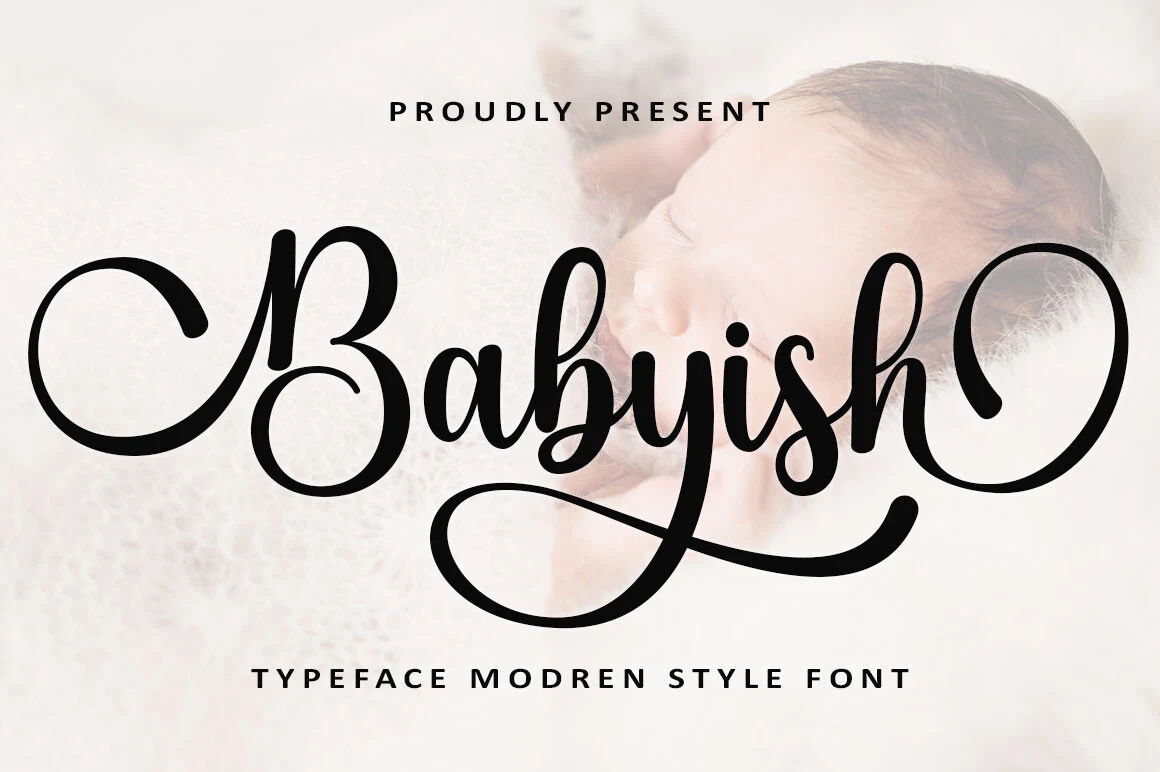
For large names and social graphics, Babyish Font combines high-contrast connected forms with looping ascenders and pronounced swashes. Its playful visual tone works in wedding branding and logos, but the flourished construction is not suited to paragraphs.
Alyra Font
Best For: wedding designs, invitations, logos, headlines
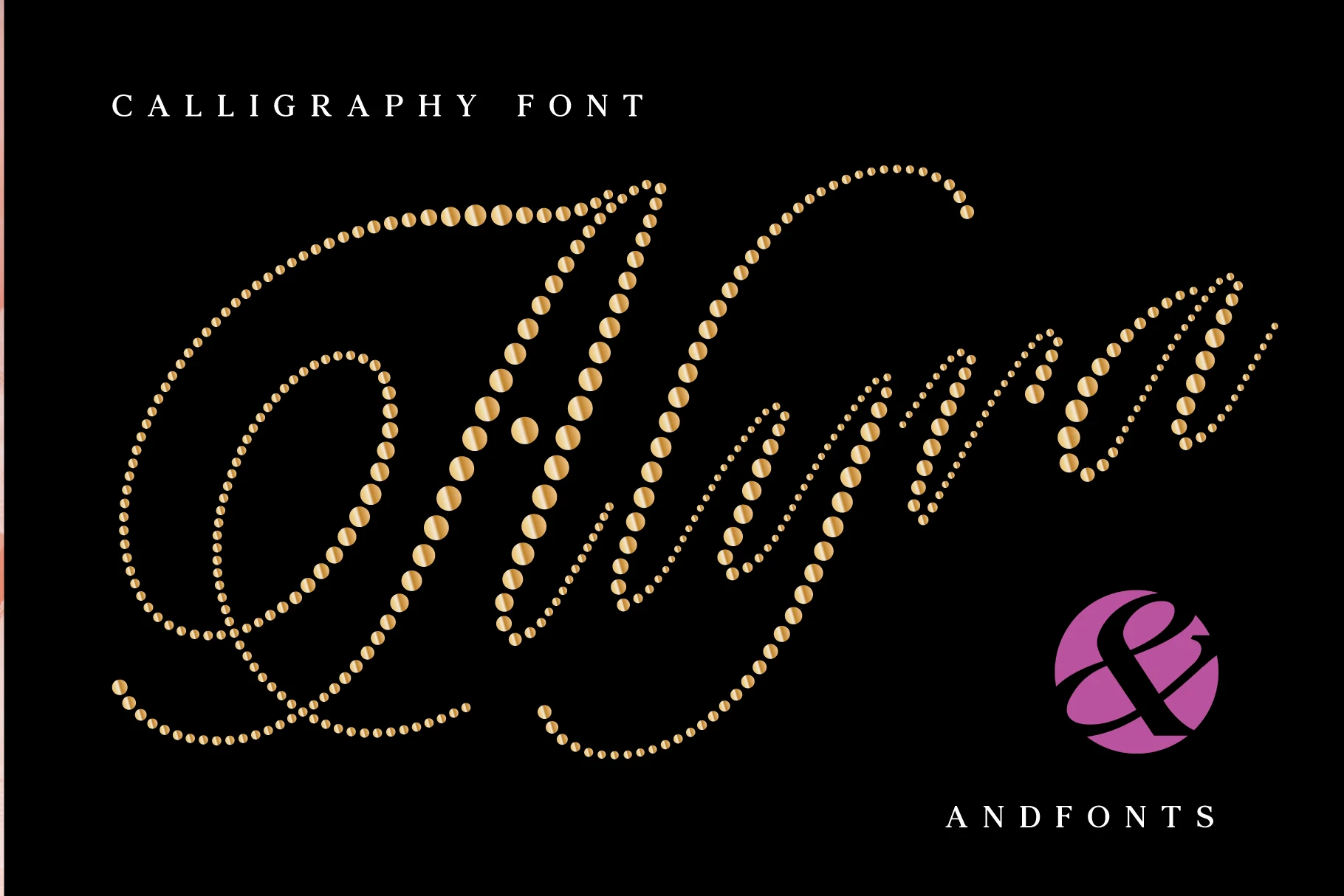
Alyra Font forms its connected strokes entirely from circular points, turning Wedding Calligraphy Fonts into a visibly textured treatment. The dots need large scale to resolve cleanly, so use it for focal invitation text, headlines, and logos rather than small details.
How to Choose the Right Font
Choose by construction before mood: high contrast and long swashes need generous display size, while monoline options generally hold together more evenly. Check joins, baseline movement, and flourishes against your wording length, then reserve the most decorative Wedding Calligraphy Fonts for names, headings, logos, or one short focal phrase.