13 Best Handwritten Aesthetic Fonts in 2026
This collection spans light monoline cursives, textured brush lettering, and high-contrast scripts with flourishes, slants, and distinctive baseline movement. These Handwritten Aesthetic Fonts are most useful for logos, invitations, social graphics, signatures, headlines, and other short display applications where visible personality matters.
Looking for more aesthetic fonts? Browse our complete Aesthetic Fonts collection to compare modern, elegant, bold, vintage, and retro aesthetic styles.
Handwritten Aesthetic Fonts: Flowing Monoline Scripts
These Handwritten Aesthetic Fonts rely on relatively even strokes, connected or partly connected letters, and flowing movement. Compared with brush and high-contrast groups, they usually offer cleaner silhouettes and more approachable display readability.
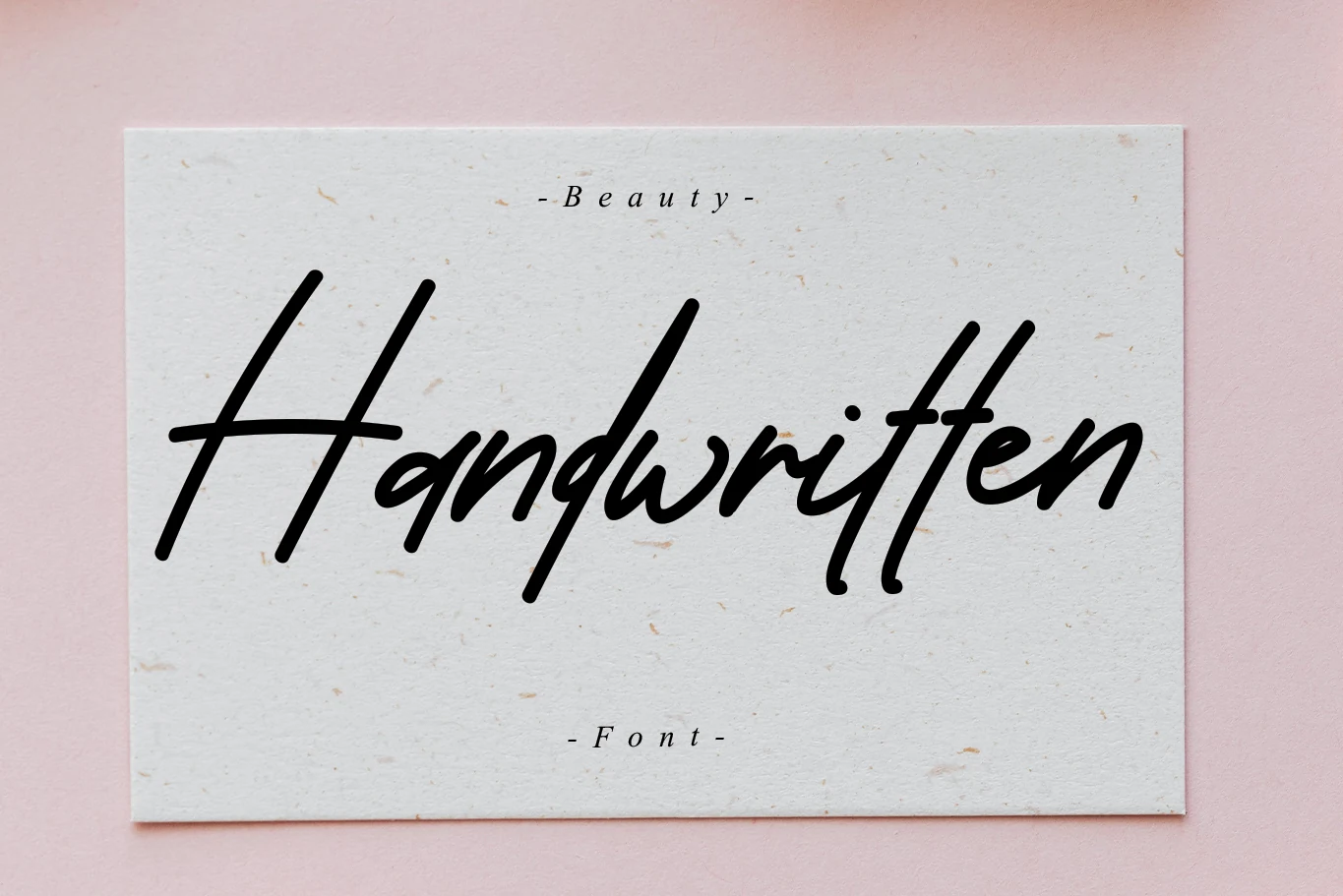
Handwritten Font
Best For: logos, branding, wedding designs, invitations
Handwritten Font uses a monoline stroke, slight rightward slant, rounded terminals, and partly connected letters that bounce along the baseline. Among Handwritten Aesthetic Fonts, that mixed joining can make display wording easier to decipher than fully connected scripts, though small text remains challenging.
Callifornia Font
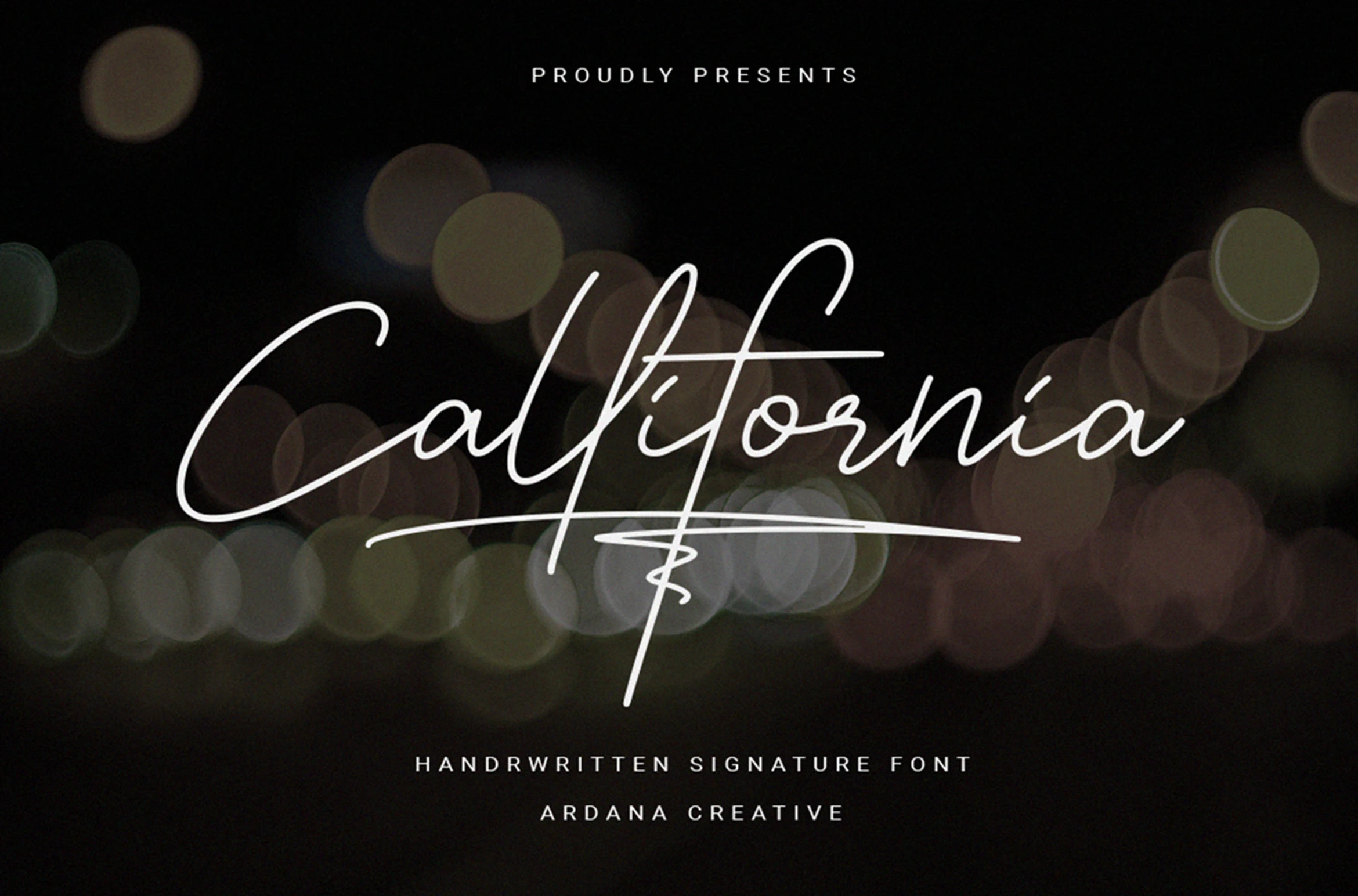
Best For: logos, branding, invitations, wedding designs
Callifornia Font takes a fully connected signature approach, with a pronounced rightward lean and extended lowercase-f swashes. The fine connections and ornamental endings create a personalized branding finish, but they need large headings or marks rather than compact copy.
Shavira Handwritten Font
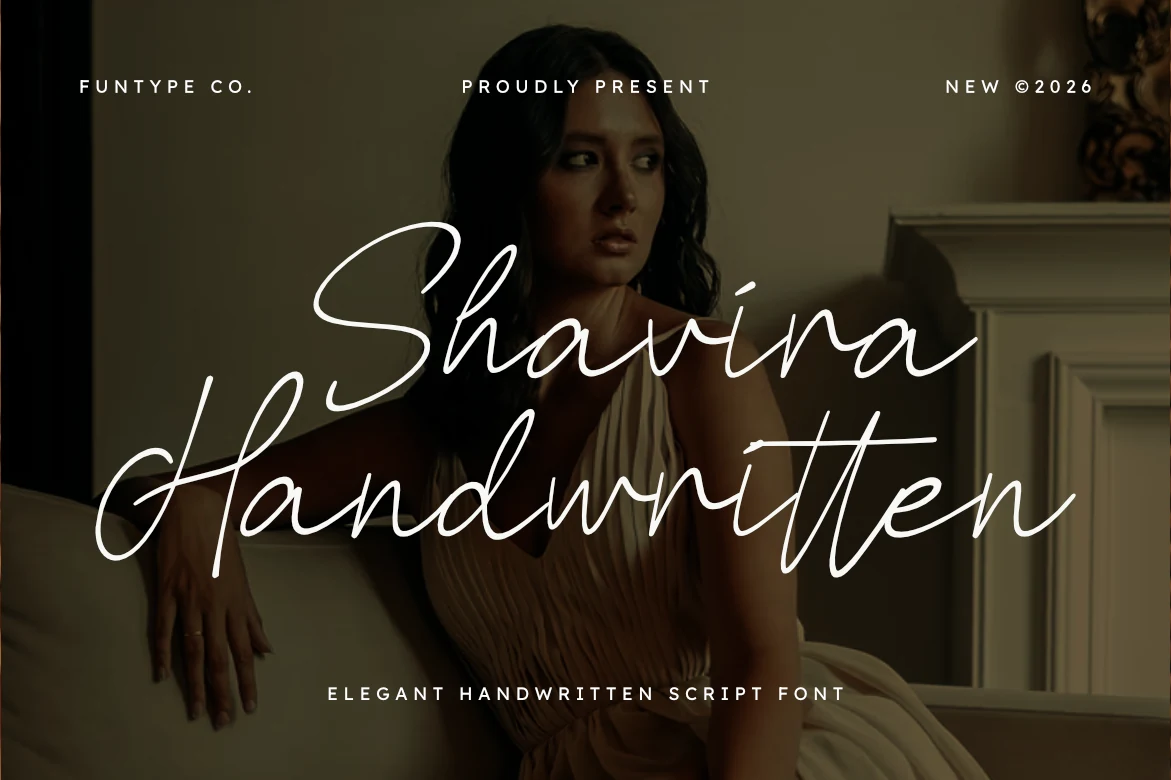
Best For: logos, wedding designs, branding, personal branding
For signature-style logos and titles, Shavira Handwritten Font offers a stable baseline, even monoline weight, forward-slanted axis, and extended loops. Its controlled movement feels more composed than a bouncy script, yet the connected characters still require large sizing for reliable reading.
Basskia Font
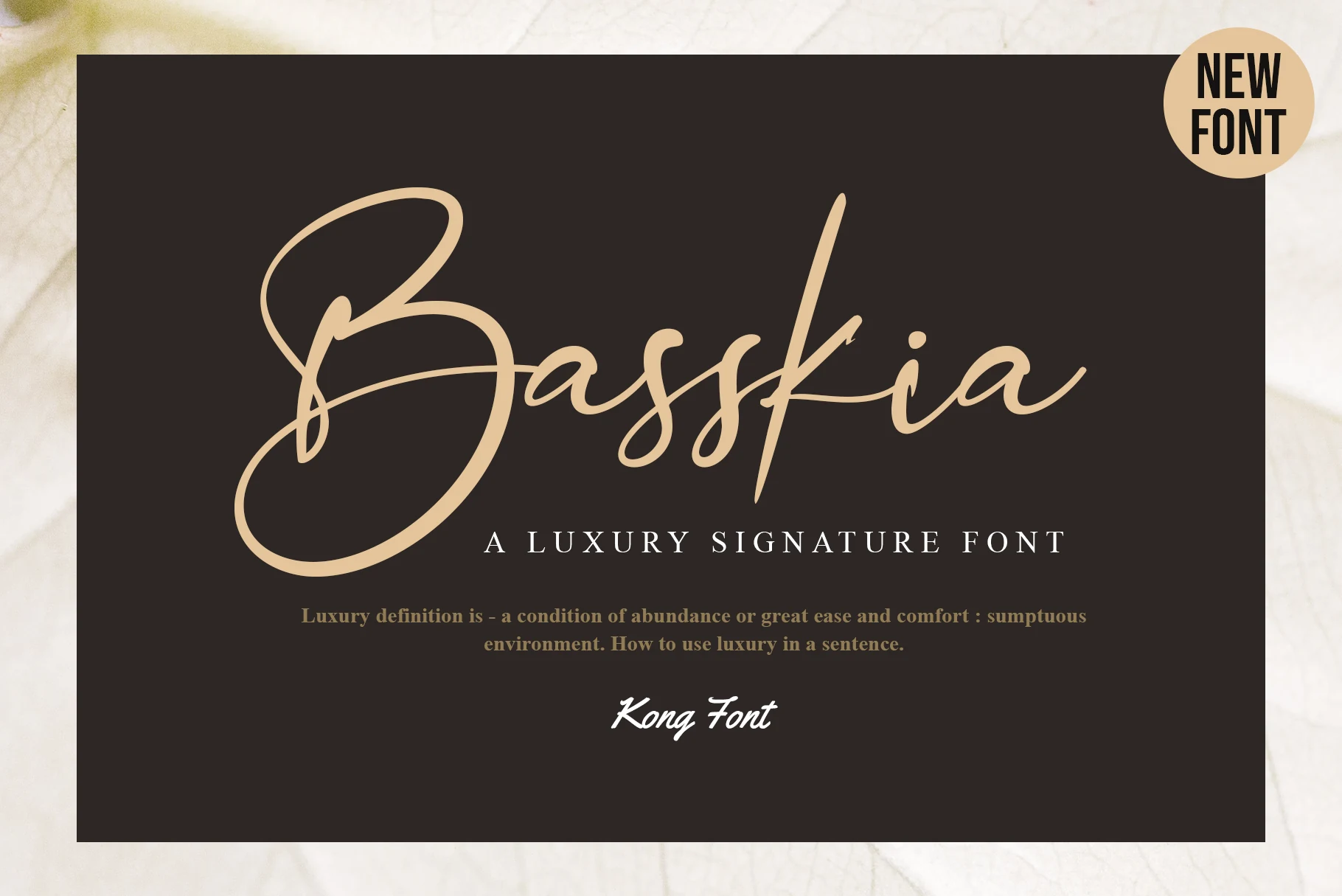
Best For: logos, website headers, display text, creative projects
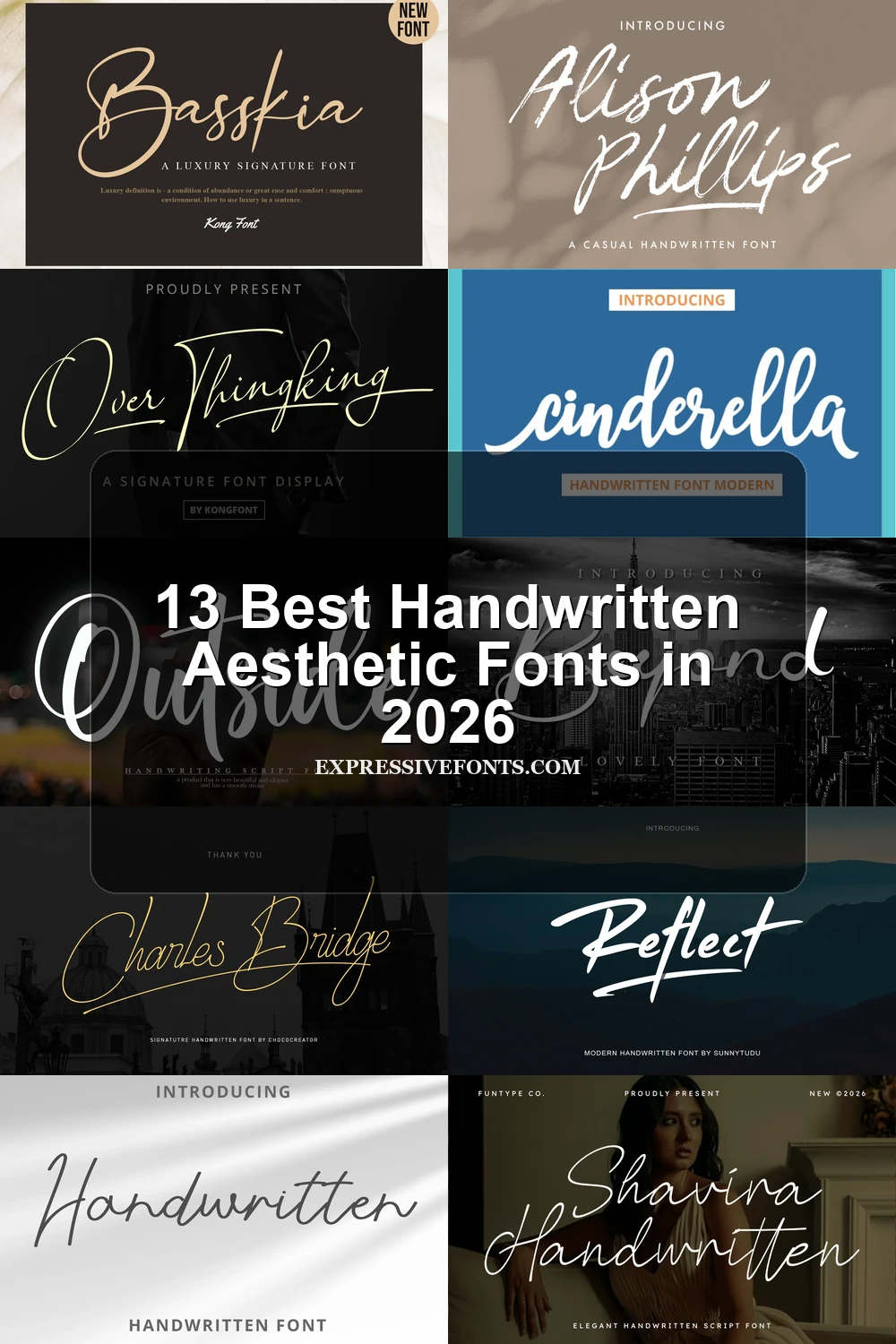
Basskia Font forms a clean silhouette from interconnected monoline lowercase letters, a steady baseline, and elongated lead and tail swashes. The predictable weight helps logo construction, but the sweeping terminals keep it firmly in display territory rather than body text.
Handwritten Font
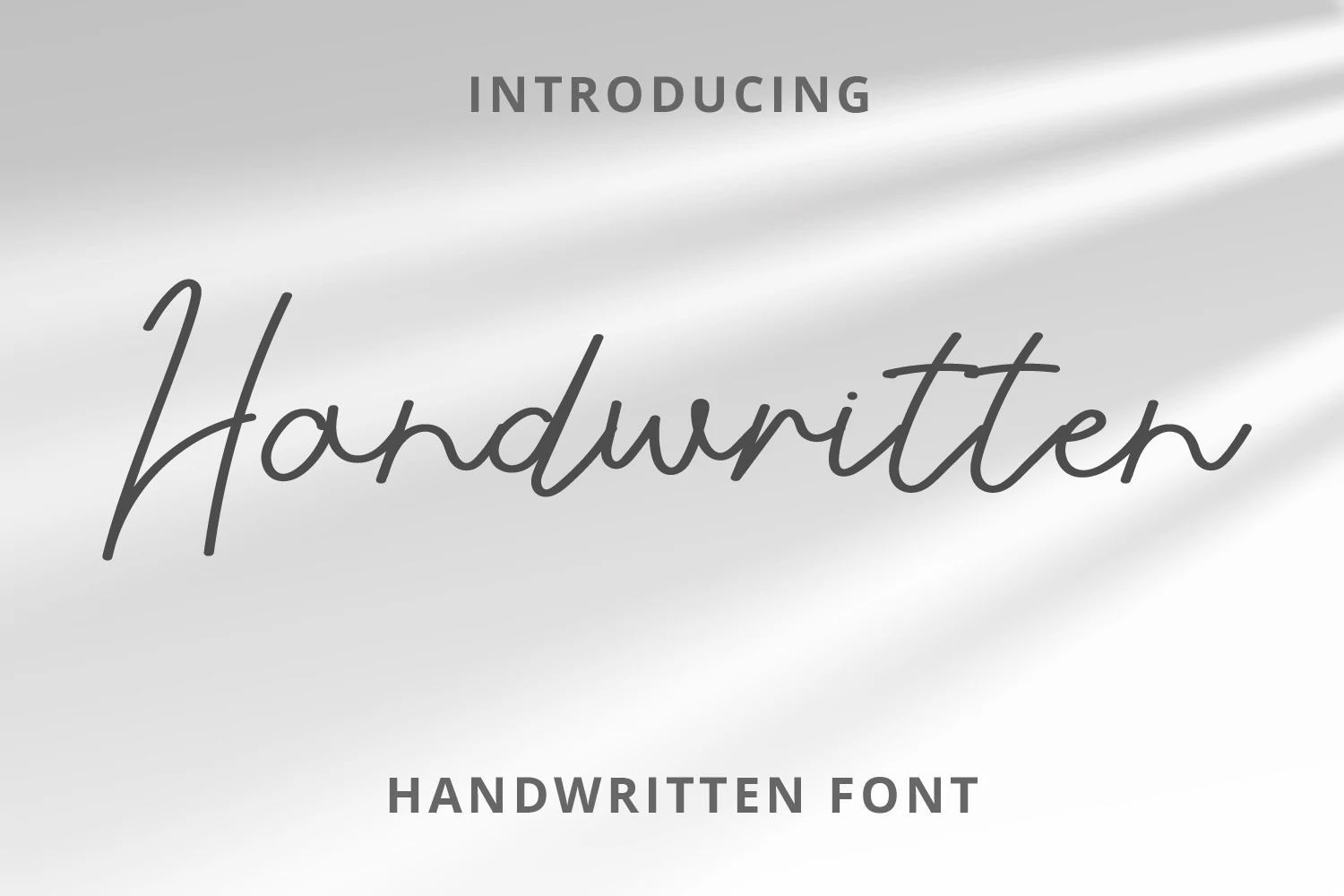
Best For: invitations, wedding designs, quotes, short phrases
Handwritten Font is a thin monoline cursive with rounded terminals and a deliberately dancing baseline. Its personal, light mark suits invitations, quotes, and brief messages, while the connected strokes need generous size and spacing to remain clear.
Cinderella Font
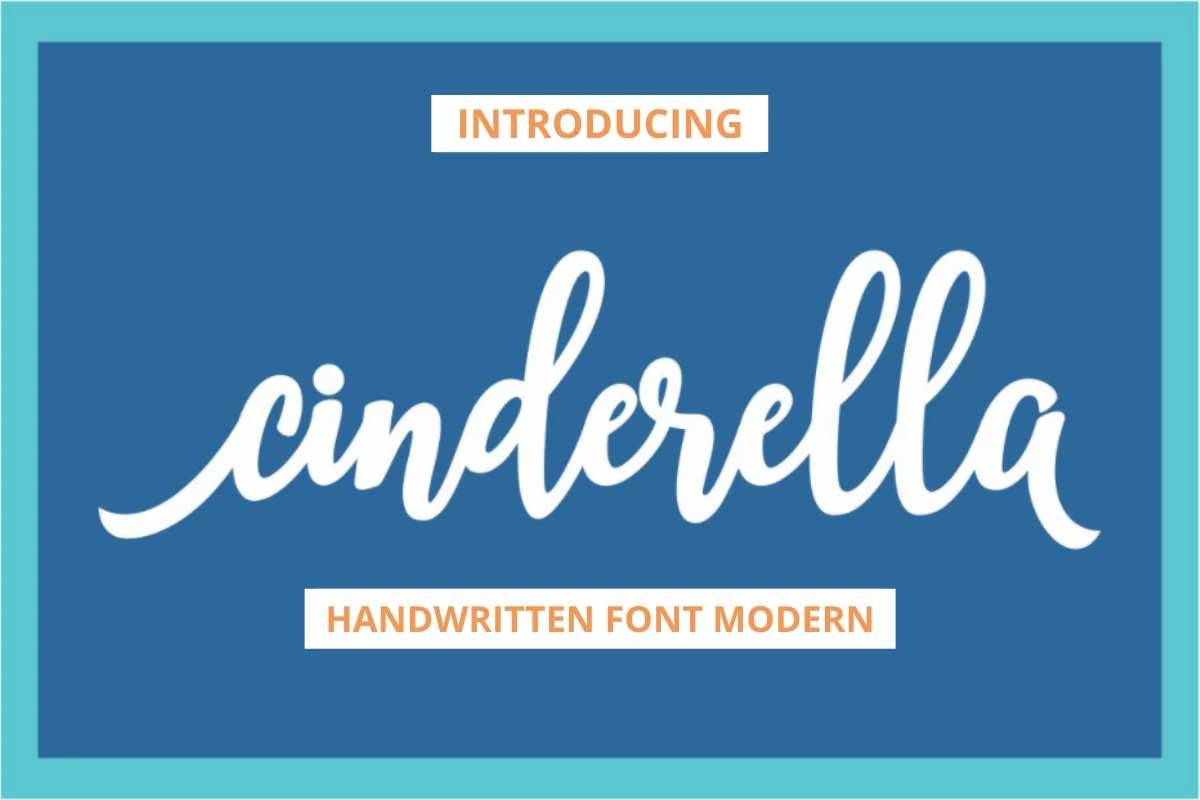
Best For: branding, social media graphics, short phrases, display text
Cinderella Font stands apart with bold monoline connected lettering, rounded terminals, and a retro character. Its heavier construction holds together better at medium display sizes than thin scripts, making short social phrases and branding treatments comparatively easier to read.
Charles Bridge Signature Handwritten Font
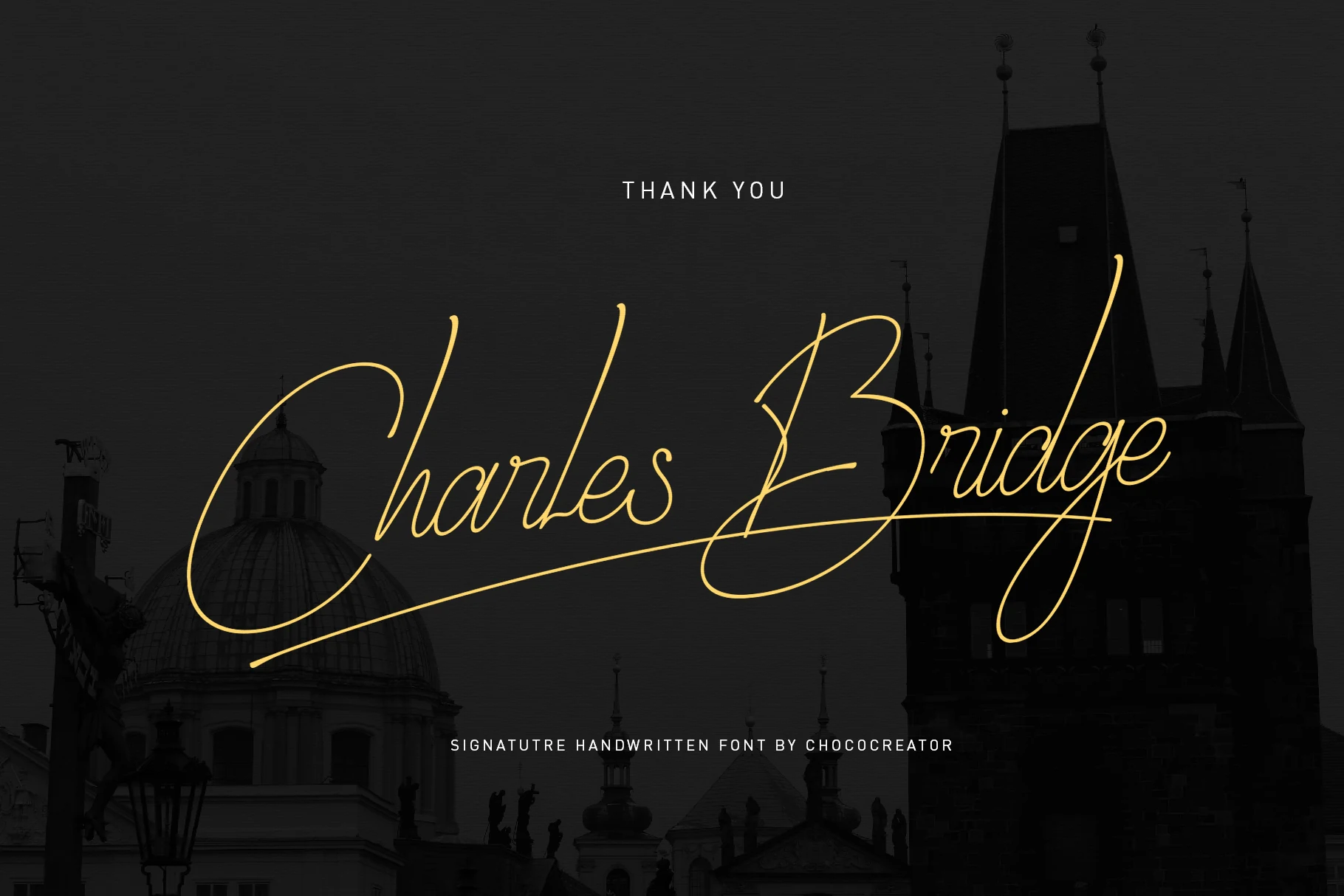
Best For: branding, invitations
Charles Bridge Signature Handwritten Font combines low-contrast connected strokes with a rightward slant and extended ascenders and descenders. Those vertical flourishes add a formal invitation or card treatment, although overlapping details can obscure compact wording.
Textured Brush Scripts
Dry-brush texture, tapered ends, overlapping strokes, and irregular rhythm define this group. It feels more tactile and expressive than monoline scripts, while generally sacrificing compact-size clarity for stronger visual motion.
Reflect Handwritten Font
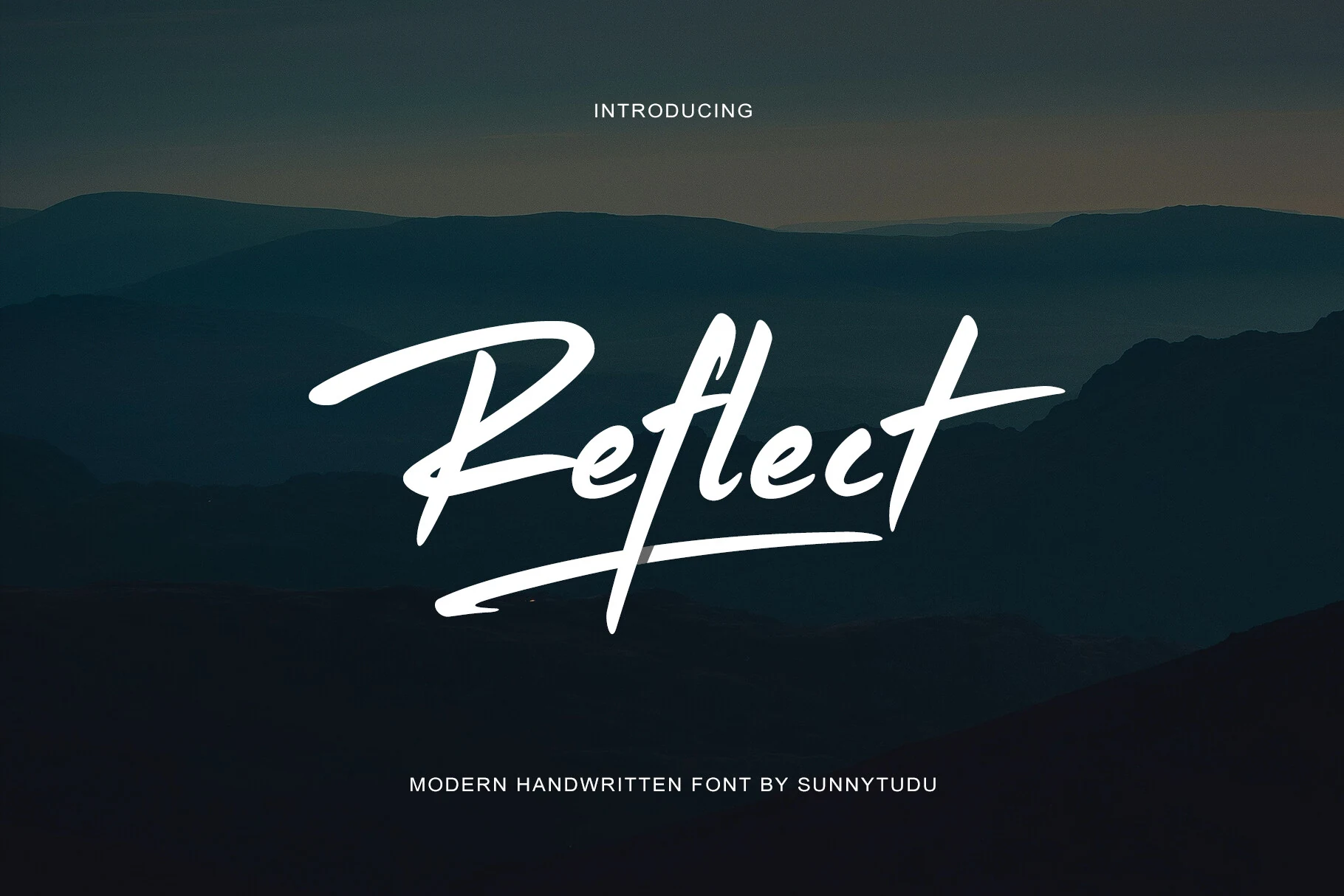
Best For: logos, branding, headlines, display text
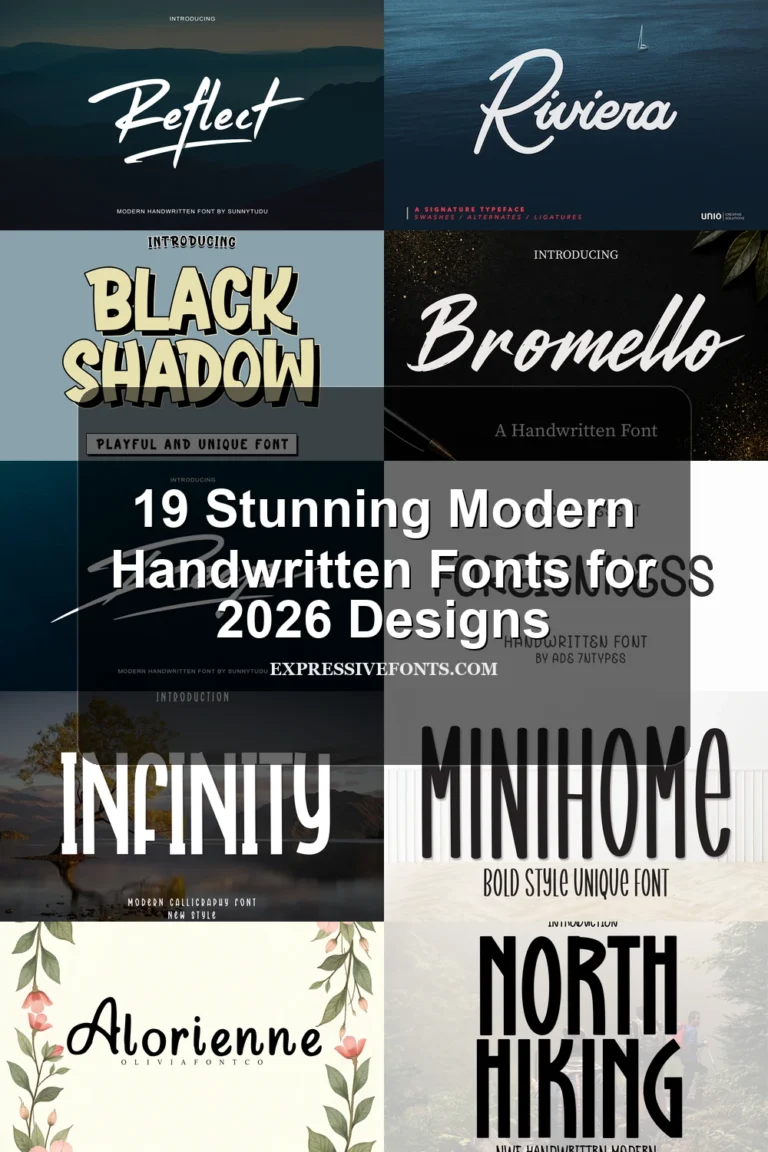
Reflect Handwritten Font is built from fast dry-brush sweeps, sharp tapered terminals, and an underline-like swash. This Handwritten Aesthetic Fonts option adds expressive motion to logos and headlines, but thin extended strokes can disappear when reduced, so it needs a substantial display scale.
Alison Phillips Casual Handwritten Font
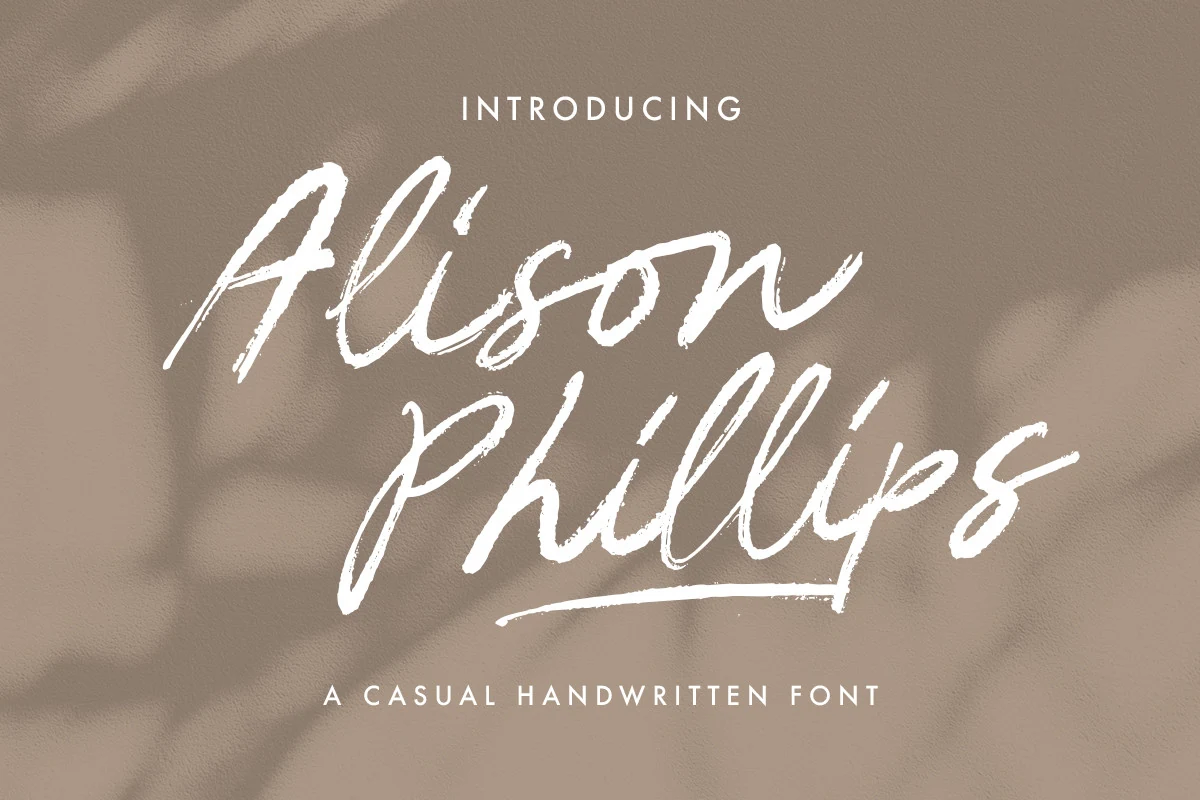
Best For: logos, personal branding, display text, short phrases
Textured brush strokes, connected letters, and an irregular baseline give Alison Phillips Casual Handwritten Font an uneven, overlapping surface. That texture supports personal branding and short display phrases with an artisan impression, but it reduces clarity when words become compact or are set small.
High-Contrast Calligraphic Scripts
These scripts use pronounced thick-to-thin contrast, slanted connected forms, and decorative flourishes. Their dramatic construction creates stronger formal headline texture than the other categories, but demands generous sizing and shorter wording.
Beyond Font
Best For: branding, headlines, display text, short phrases
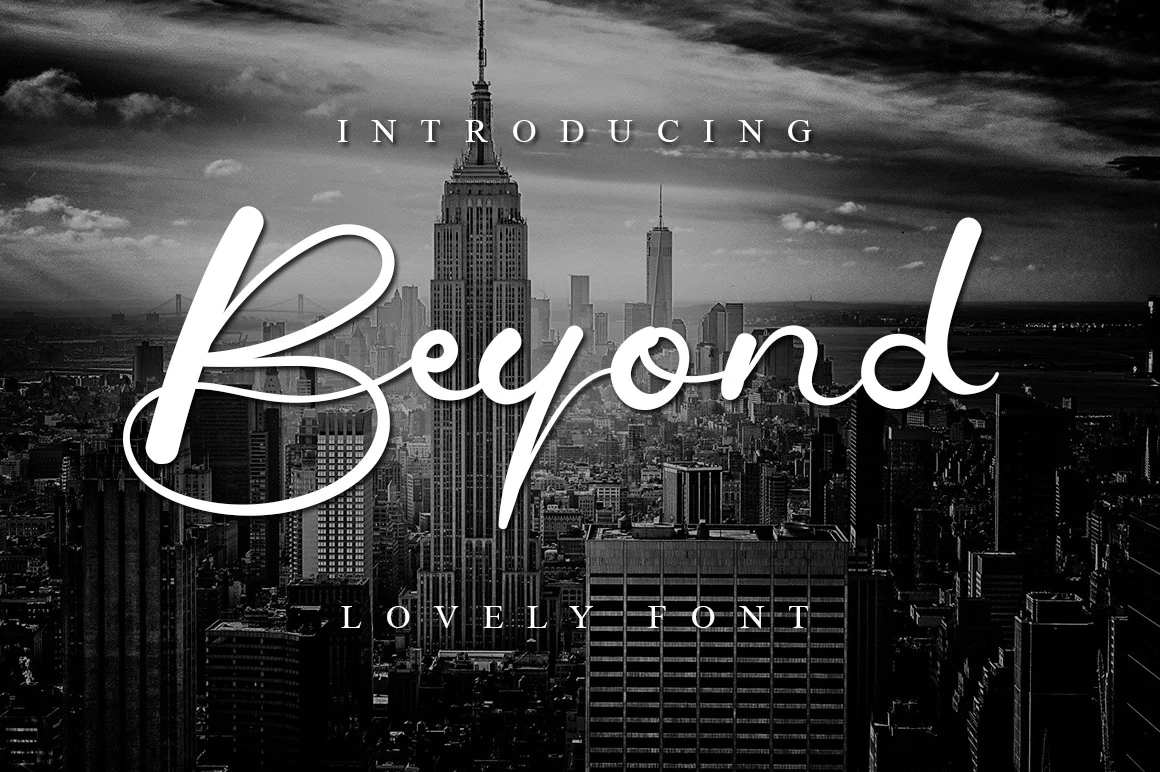
For headline work, Beyond Font delivers strong thick-to-thin contrast, looping terminals, and a flowing irregular baseline. Its connected forms create immediate visual presence, but the changing stroke widths and rhythmic movement make longer phrases slower to scan. Keep it to large titles, brand statements, or brief display lines.
Mueband Font
Best For: logos, branding, invitations, wedding designs
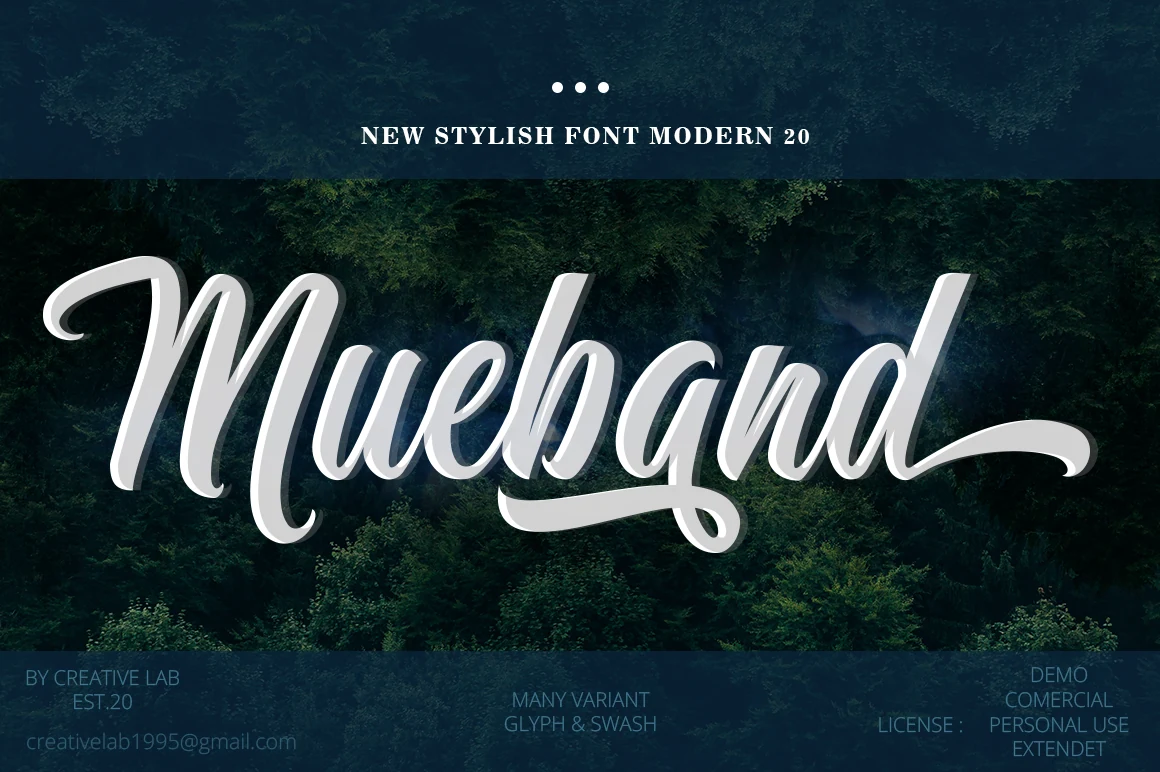
Mueband Font gets its energetic effect from a pronounced rightward slant, connected lettering, decorative swashes, and high thick-to-thin contrast. The flourishes suit invitations and identity work, while generous display sizing helps preserve the shape of each letter and keeps ornate details from merging.
Over Thingking Font
Best For: logos, branding, display text, headlines
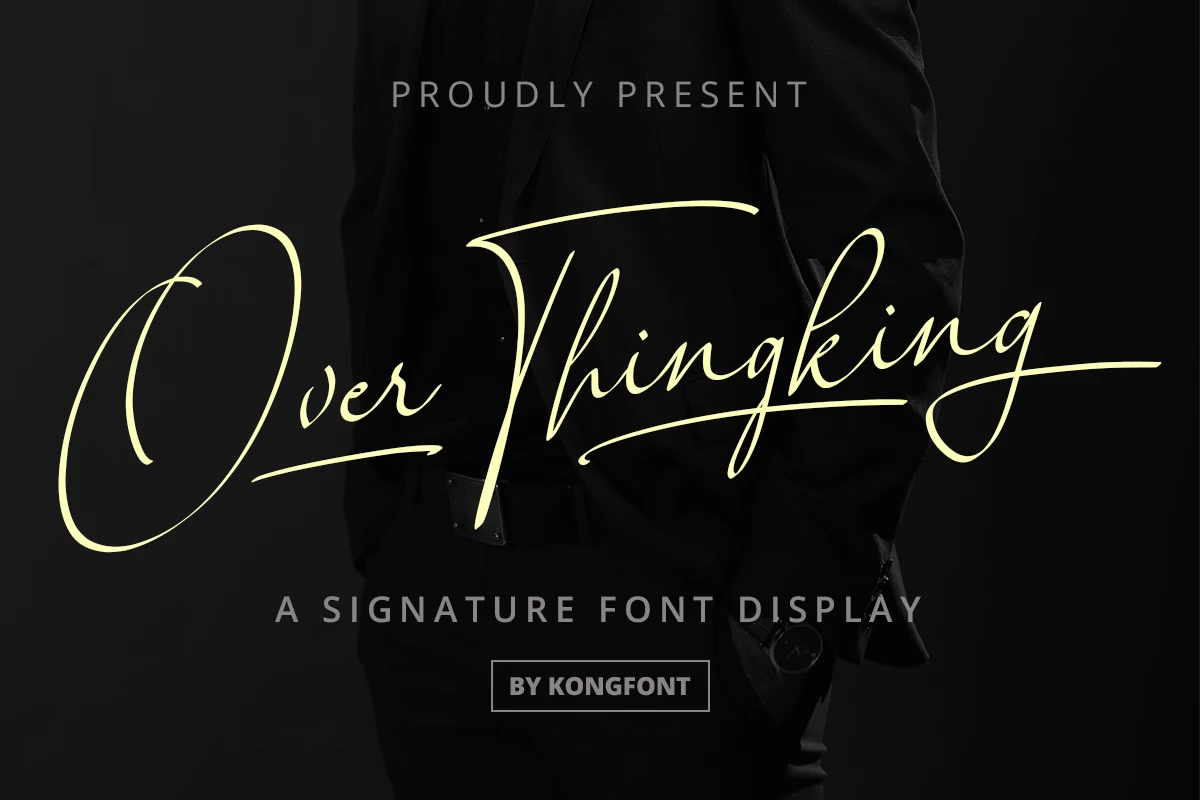
Over Thingking Font uses high-contrast connected lettering, a pronounced rightward slant, and extended decorative swashes. In Handwritten Aesthetic Fonts collections, this construction supplies a formal, expressive headline texture, but varying widths and flourishes make short wording more practical than paragraphs.
Outside Font
Best For: social media graphics, creative projects, short phrases
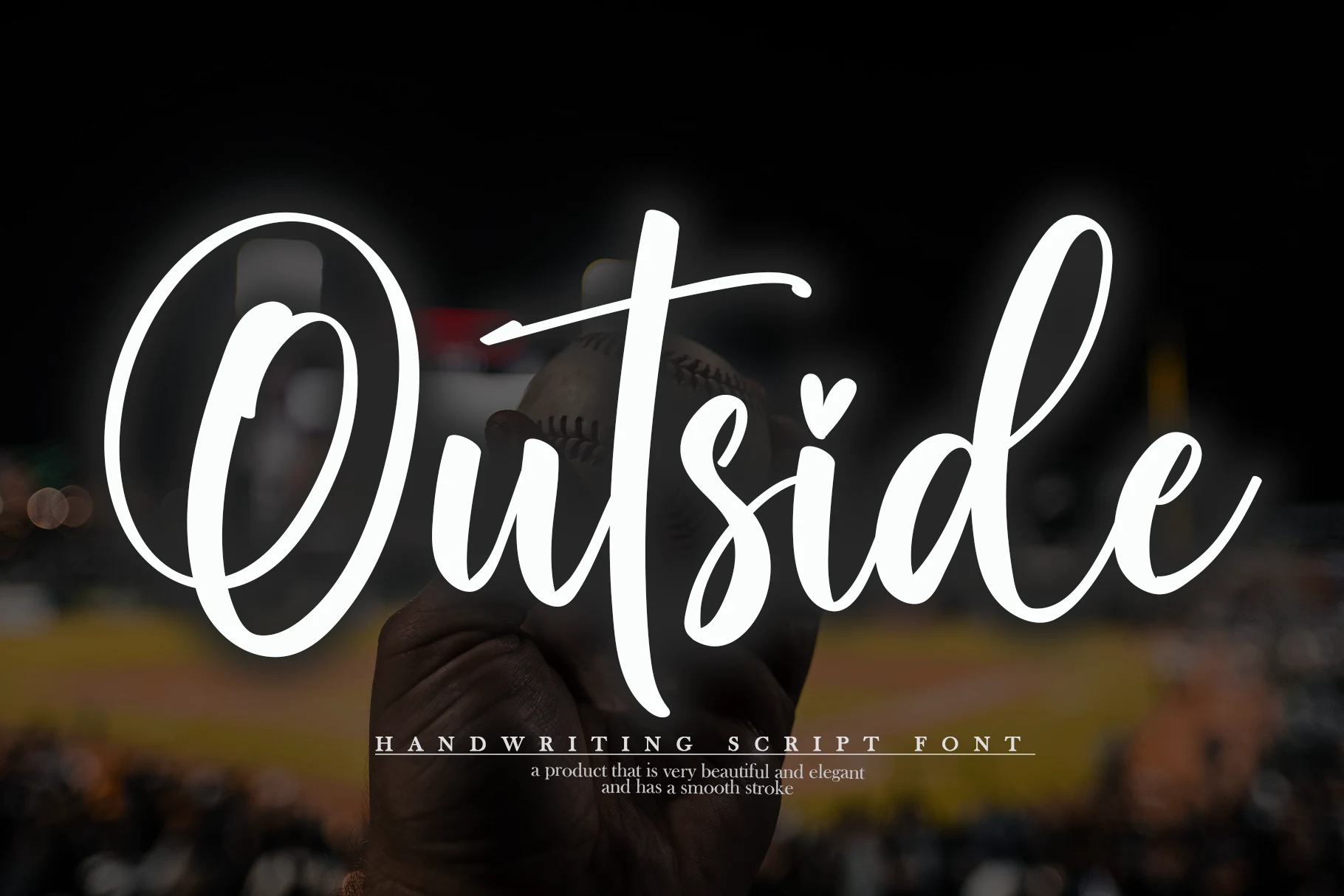
For social graphics and DIY lettering, Outside Font adds a recognizable heart-shaped dot to the lowercase i alongside high-contrast connected forms and a pronounced slant. The motif personalizes short messages, while the flowing construction remains dependent on large display treatment for legibility.
How to Choose the Right Font
Choose among Handwritten Aesthetic Fonts by starting with construction: monoline styles are usually cleaner, bold versions tolerate smaller display sizes, brush textures add surface variation, and high contrast creates the strongest headline drama. Check joins, swashes, and flourishes at the intended size, then reserve the most intricate options for short wording.